
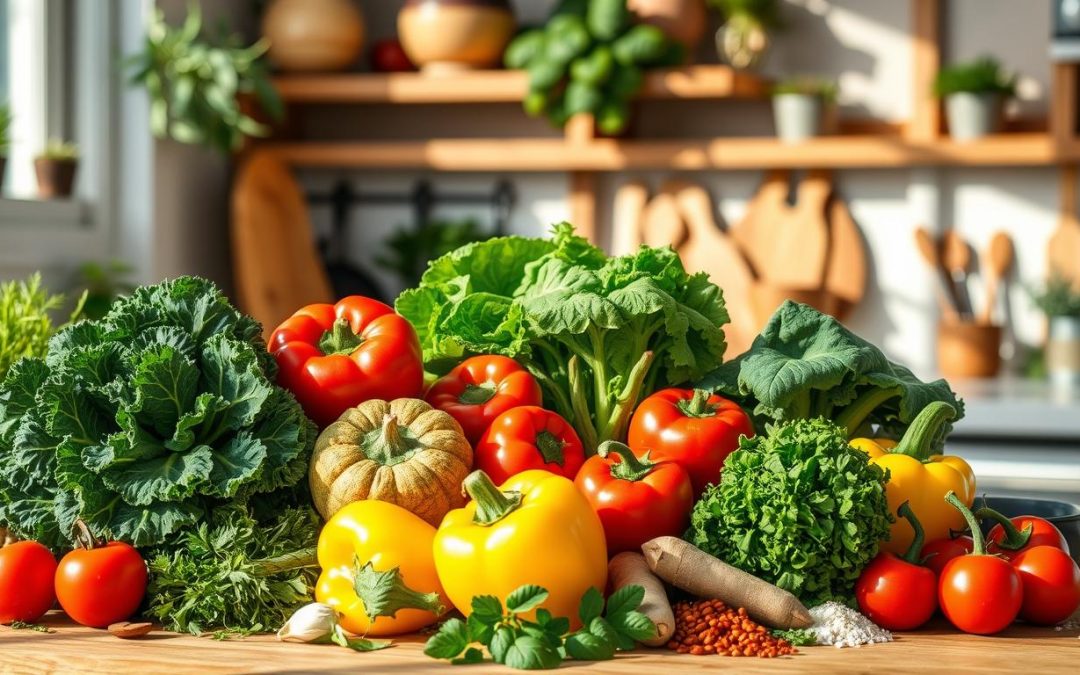
Ever thought your meal could help fight cancer? Research now shows that our daily food choices might greatly lower our cancer risk. Up to 70% of cancer risk over a lifetime can be linked to how we live, especially what we eat1. This fact highlights the importance of picking the right food items. For keeping cancer at bay, choosing an organic diet is a smart move.
Key Takeaways
- Lifestyle factors, including diet, can influence up to 70% of cancer risk1.
- Processed meats can increase the risk of colorectal cancer by 20% if consumed regularly1.
- Diets high in fruits are linked to a lower risk of stomach and lung cancers1.
- Leafy greens and cruciferous vegetables can aid in DNA repair and reduce cancer risk2.
- A high-fiber diet is associated with a decreased risk of colorectal, stomach, mouth, and pharynx cancers12.
Let’s take a closer look at how an organic diet can be a key player in preventing cancer. We’ll explore how good nutrition matters and how to include anti-cancer foods in your diet. We’re ready to guide you every step of the way.
The Importance of Nutrition in Cancer Prevention
Eating right plays a key part in stopping cancer. The World Health Organization says 30% to 50% of cancers could be stopped by dodging risk factors and using proven prevention steps3. This involves eating foods that fight cancer, which helps lower the risk.
The American Cancer Society’s 2012 advice shows sticking to diet guidelines lowers cancer deaths3. They say eat at least 2.5 cups of fruits and veggies daily for prevention3. These foods are packed with nutrients and antioxidants that tackle cancer.
Public health measures should work to make healthy food more affordable to cut cancer risk. Overweight, lack of exercise, drinking too much, and bad food are linked to 18% of US cancers4. Adults should aim for 150-300 minutes of medium or 75-150 minutes of hard exercise every week4. Being active and eating anti-cancer foods together form a complete approach to dodge cancer.
Watching the calories in food, especially sugary ones, is important as they can lead to obesity and up cancer risk3. Avoid too much Vitamin A from pills since it might raise lung cancer risk3. Also, Vitamin E supplements could raise prostate cancer risk in some studies3.
Eat less processed meat, like bacon and sausage, to avoid cancer-causing chemicals3. Vitamin D might lower colorectal cancer risk, but many Americans don’t get enough3.
Choosing a diet full of foods that guard against cancer, staying active, and being careful with some supplements can hugely cut cancer risk. Creating a lasting nutrition plan with these parts is a key step in cancer prevention.
| Risk Factor | Recommended Actions |
|---|---|
| Excess Body Weight | Keep a healthy weight through diet and exercise4 |
| Poor Nutrition | Add at least 2.5 cups of veggies and fruits to your daily meals3 |
| Physical Inactivity | Do 150-300 minutes of medium or 75-150 minutes of hard activity every week4 |
| Alcohol Consumption | Women should have no more than 1 drink a day, and men 2 drinks3 |
| Processed Meats | Cut back on processed meats like bacon and sausage to lower exposure to cancer-causing stuff3 |
Understanding Organic Foods
Organic food has a special label and process set by the USDA. For a product to be “100% organic,” it must only have organic ingredients, except for salt and water. Foods simply labeled “organic” need at least 95% organic ingredients5. Those with “Made with organic” on them contain at least 70% organic ingredients5.
The USDA sets certain farming rules for food to be organic. For example, organic farmers must let animals graze for a part of their diet. Organic beef must come from cattle that have grazed for 120 days5. Studies show organic grains have less cadmium than regular grains, and organic veggies might have more nutrients5.
A study with 68,946 people in France found eating organic food could lower cancer risk. Those who ate the most organic food had a 25% lower cancer risk than those who ate the least6. This research also found that regular food often has pesticides, unlike organic food6.
USDA’s organic label is more about how food is made than its health benefits. Organic food can have more nutrients and fewer pesticides than non-organic. But, both organic and conventional meats have the same risk for bacteria. Organic food usually costs more because it’s more expensive to produce5.
Dispelling Myths About Organic Foods
When talking about organic foods, it’s vital to clear up some misunderstandings. A common belief is that organic foods don’t have any pesticides. But, this isn’t entirely true. Organic farms may use pesticides that the USDA approves, which are usually natural. This shows that the idea of organic foods being 100% pesticide-free isn’t correct.
Another myth is that organic foods are way more nutritious than non-organic ones. But, studies show that the nutritional differences, like in polyphenol compounds and vitamins, are minor. They don’t make a big difference in how healthy they are7.
People often think organic foods are healthier, but the nutritional benefits aren’t much higher than those of regular produce. The higher prices of organic items come from the detailed process of getting organic certification. This process involves applications, fees, and regular testing7.
The effort to separate truth from myth in organic foods continues. For those on an organic diet, eating a variety of food groups is key. Research shows that dieting alone can’t target cancer cells. All our cells, healthy ones included, need carbohydrates as an energy source8.
The myth that Organic Foods are More Nutritious also misleads some customers. The huge number of Google searches on “nutrition and cancer”—about 718 million—shows how much confusion and misinformation exists. To fight these myths, it’s crucial to educate people well7.
Benefits of an Organic Diet for Cancer Prevention
Many studies support the benefits of an organic diet for lowering cancer risk. A big study from France in 2018 linked organic food to less breast cancer and lymphomas9. Eating organic food was tied to a 25% lower chance of getting cancer, especially non-Hodgkin lymphoma and breast cancer after menopause10.
A Danish study also found fewer stomach cancers in people eating more organic food9.
Strong evidence connects some pesticides in non-organic foods to higher cancer risk. Many of these pesticides are known to cause cancer9. Organic foods, with more antioxidants, help in preventing cancer naturally9. While antioxidant pills don’t cut cancer risk, eating fruits and veggies full of antioxidants does11.
Avoiding chemicals in plastic packaging is another key reason to eat organic. Over 400 chemicals in plastic are linked to breast cancer and DNA harm9. Organic food, often in safer packaging, helps lower exposure to these dangerous chemicals.
Adding a variety of organic foods to our diet is crucial to lower cancer risks. With more young people getting cancer early, our diet matters more than ever9. Choosing organic food is an important step in natural cancer prevention.
Organic Fruits and Vegetables for Cancer Prevention
Eating organic fruits and veggies is key to a cancer-fighting diet. They offer many health perks and might lower cancer risks. The American Institute for Cancer Research says to have 3.5 to 5 servings daily for people who’ve had cancer12. Also, organic foods often have less pesticide residue; over 40% show no pesticides at all12.
Research shows the cancer-stopping powers of certain organic foods. For instance, a compound in veggies like broccoli stops colon cancer cells from growing and makes them die13. Plus, apples, loaded with polyphenols, especially a type called phloretin, really help in stopping breast cancer cells, found a study in 201813.
Other organic fruits, like bilberries, are also against cancer. They might stop tumors from starting and growing, especially in the digestive system, says a review from 202113. And, organic carrots might cut the chance of stomach cancer by 26%, a study in 2015 suggested14.
Adding organic fruits and veggies to your meals boosts nutrients and reduces chemicals. While there’s no direct proof that organic foods alone cut cancer risk12, eating lots of veggies, fruits, grains, and proteins is good for people who’ve had cancer12.
To summarize the benefits of various organic fruits and vegetables, here is a detailed comparison:
| Fruit/Vegetable | Cancer-Preventive Properties | Key Studies |
|---|---|---|
| Broccoli | Inhibits colon cancer cell growth, stimulates cell death | Sulforaphane research13 |
| Apples | Significantly inhibits breast cancer cell growth | Apple phloretin study13 |
| Bilberries | Inhibit tumor formation and cancer growth in digestive tract | 2021 review13 |
| Carrots | Reduce risk of stomach cancer by up to 26% | 2015 analysis14 |
| Chocolate | 12% lower risk of death from cancer | 2022 review13 |
Integrating Anti-Cancer Foods into Your Diet
Experts believe that living healthy and eating right could prevent 30 to 40% of cancers15. Adding foods like green veggies and berries to what you eat is key.
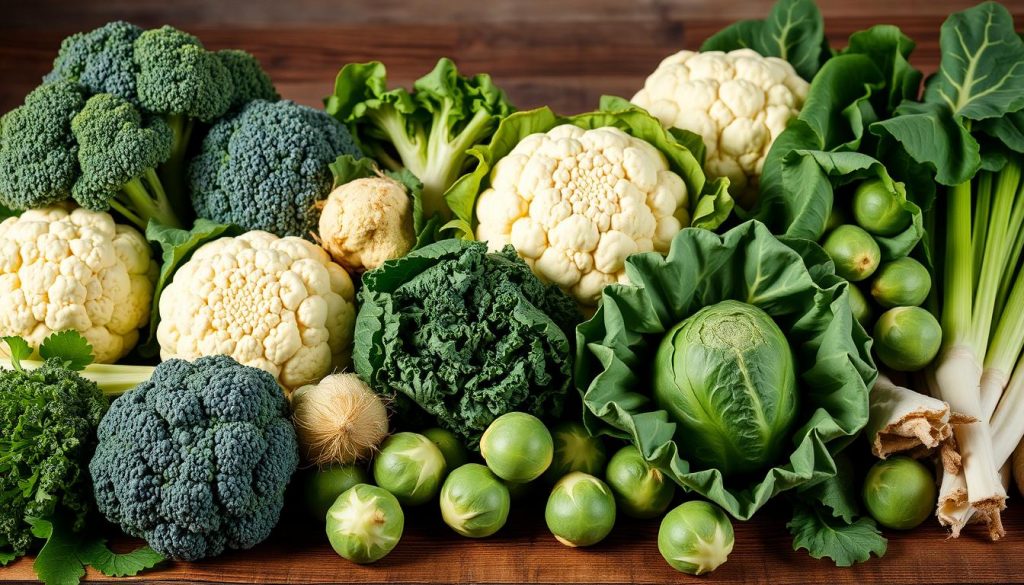
Leafy greens and veggies like broccoli have substances that fight cancer15. You should eat broccoli, kale, and Brussels sprouts every day.
Berries are packed with antioxidants that protect against cancer15. Raspberries, for example, contain a compound that might block breast cancer15. Strawberries are full of vitamin C and can help prevent esophageal cancer15.
Eating colorful fruits and vegetables is essential for your health. Apples and beets, rich in antioxidants, are great choices16.
Oranges and other orange-hued veggies help prevent digestive cancers. They’re filled with vitamins and fiber that keep you healthy15. Sweet potatoes are another excellent food to eat16.
Whole grains and nuts are good for protein and fiber. They help your body get rid of toxins and may lower cancer risk16. Eating wild salmon, rich in omega-3, can also help fight inflammation and cancer16.
Choosing the right way to prepare food is important. Avoid frying and choose healthier options like steaming or grilling16. This not only makes food taste better but keeps it healthy.
The Role of Plant-Based Diets in Cancer Prevention
A plant-based diet for cancer prevention is getting lots of buzz. It might lower cancer risk through a few ways. Foods like whole grains, rich in dietary fiber, can cut the chance of colorectal cancer by 21% if you eat 6 oz every day17. Eating more fiber also helps keep body and belly fat down. This can lessen the danger of six other cancer types17.
About 25% of new cancer cases could be dodged with smarter eating18. Plant-heavy diets, light on processed foods, keep heart disease and diabetes at bay by managing blood fats and sugar18. Foods high in fiber also pack lignans, saponins, and antioxidants. All these fight cancer17.
Bad eating habits, full of sugar and processed foods, can make inflammation worse. This ups the risk of cancer by raising insulin and growth factor levels18. Picking whole grains over processed ones, with their added fiber, is key. The link between dietary fiber and breast cancer risk isn’t clear, but fiber is essential every day17.
Vitamins like folate and vitamin D can also defend against cancer. But, don’t go overboard with them18. Clearly, a plant-based diet for cancer prevention has a lot of backing. It’s not just about cutting cancer risk. It’s good for your overall health too.
| Dietary Component | Cancer Risk Reduction |
|---|---|
| Whole Grains | 21% reduction in colorectal cancer risk17 |
| High Fiber Foods | Decrease in six other types of cancer risk due to lower body and abdominal fatness17 |
| Plant-Based Foods | 25% of new cancer cases could be prevented with better nutrition18 |
| Multivitamins (Folate, Folic Acid, Vitamin D) | Potential reduction in cancer risk, avoiding very high doses18 |
Natural Cancer Prevention through Nutrient-Rich Foods
Eating the right foods plays a huge role in preventing cancer. Studies show that over half of cancer cases and deaths worldwide can be avoided.
Eating foods with special components like lycopene in tomatoes helps lower cancer risk19. Foods rich in nutrients, such as blueberries, fight inflammation and protect cells20.
Eating too much processed food can increase cancer risk. On the other hand, foods high in fiber like beans and whole grains help prevent cancer21. Experts suggest a diet mainly made up of plants to decrease cancer risks20. Substances found in berries and turmeric may also help fight cancer20.
Adding foods full of nutrients to our diets does more than give us vitamins and minerals. It also boosts our health and lowers the chance of getting diseases like cancer19. Choosing healthy foods is a key way to live longer and better.
Tips for Eating More Organic Produce
Choosing to eat more organic food is a great way to avoid harmful pesticides. It also means you get to enjoy fresher and more nutrient-rich foods. Shopping at farmers markets or growing your own veggies are great ways to add more organic items to your meals. The U.S. Department of Agriculture says organic foods are made without synthetic fertilizers and pesticides. This makes your food healthier and safer22. Also, organic animal products have to follow strict rules. They can’t have routine antibiotics or hormones22.
Some studies show that organic fruits and veggies might have more vitamin C, minerals, antioxidants, and polyphenols. But, other studies don’t see a big difference in nutrition between organic and regular foods22. Still, many people choose organic for its health perks and its positive effect on the environment.
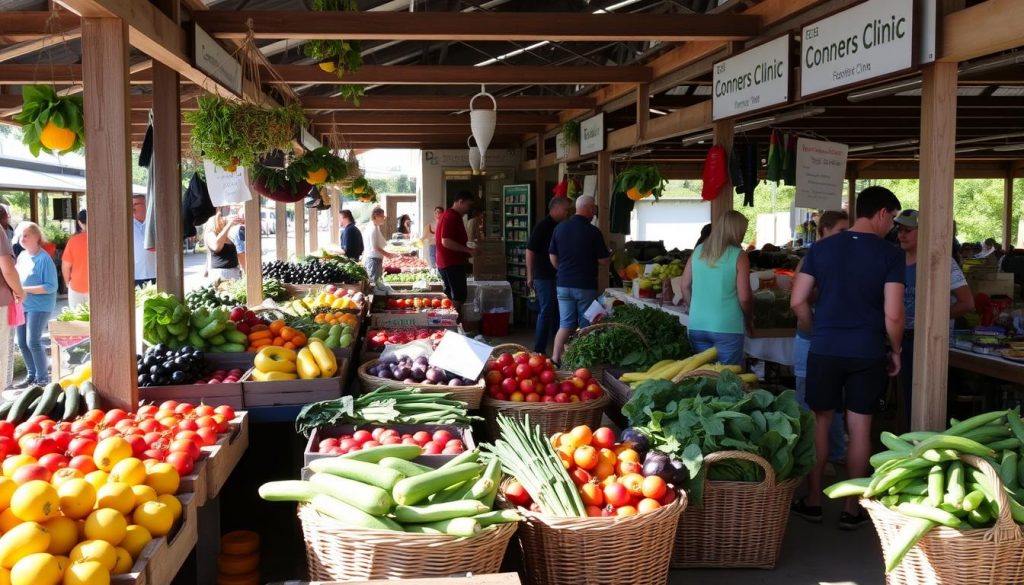
Want more organic produce in your life? Try shopping at farmers markets. You’ll find a bunch of fresh, local organic produce there. Plus, talking to the farmers can help you understand how your food was grown. It ensures quality and safety too.
Growing your own veggies is another great idea. It lets you decide how your food is grown, using fewer pesticides. Gardening is not just fun; it’s good for your health, reduces stress, and gives you fresh produce. Especially during peak seasons, you can enjoy a steady supply of fresh, organic foods.
Let’s look at the benefits of organic produce with the “Dirty Dozen” and “Clean 15” lists. These lists show which fruits and veggies have the most and least pesticides. They can help you pick the best organic produce:
| Dirty Dozen (High Pesticide Levels) | Clean 15 (Low Pesticide Levels) |
|---|---|
| Strawberries | Avocados |
| Spinach | Sweet corn |
| Nectarines | Pineapples |
| Apples | Cabbages |
| Grapes | Onions |
| Peaches | Sweet peas |
| Cherries | Papayas |
| Pears | Asparagus |
| Tomatoes | Mangoes |
| Celery | Eggplants |
| Potatoes | Honeydews |
| Sweet bell peppers | Kiwis |
| Cantaloupes | |
| Cauliflower | |
| Broccoli |
In the end, whether you’re shopping at a farmers market or growing your own food, eating more organic helps your diet. By choosing wisely, you can enjoy organic food’s benefits and support eco-friendly farming too.
How to Maintain a Balanced Anti-Cancer Diet
Eating a balanced diet can help prevent cancer and boost health. It’s smart to eat a variety of foods packed with nutrients. This keeps your diet balanced and focused on cancer prevention.
Cancer can be linked to chronic inflammation, which often shows no symptoms. It can get worse due to being overweight, smoking, stress, not moving enough, and bad food choices23. To lower these risks, fill most of your plate with veggies, grains, and fruit. Keep meat or plant proteins to a smaller part23.
Add foods high in omega-3 like fish, flaxseeds, and avocados to your diet. Try to eat fewer omega-6 oils found in corn and sunflower oil23. It’s also good to eat probiotics from foods like yogurt and kombucha daily. They can help reduce inflammation23.
To help prevent cancer, eat 7 to 9 servings of fruits and veggies each day. This is more than the 5 servings previously suggested24. Following the 80/20 rule, where most of your diet is healthy, allows for some treats. This makes your diet balanced24.
The Mediterranean diet is great for stopping cancer, says the AICR24. It focuses on eating whole foods, keeps your blood sugar stable, and involves eating less fat. This helps lower the risk of breast cancer24.
| Food Category | Recommended Intake | Examples |
|---|---|---|
| Non-Starchy Vegetables | At least two-thirds of your plate | Broccoli, Spinach, Bell Peppers |
| Whole Grains | Frequent but moderate portions | Quinoa, Brown Rice, Oats |
| Fruits | Seven to nine servings/day | Berries, Apples, Oranges |
| Lean/Plant-Based Proteins | One-third of your plate | Beans, Lentils, Chicken |
Talk with your doctor about checking your vitamin D since it’s key for stopping cancer24. Eating whole soy foods like tofu and edamame early can be good, too24.
Resources for Cancer Survivors: Nutrition and Support
Being a cancer survivor means eating right to stay healthy and prevent cancer from coming back. At Conners Clinic, we guide you on what to eat with custom nutrition plans. We teach you how to make your meals balanced and full of good stuff.
Eating enough fruits and vegetables is a big deal for anyone who’s beaten cancer. You should eat 5 servings a day: 2.5 cups of veggies and 2 cups of fruit25. Our team at Conners Clinic shows you easy ways to fit these into your meals every day.
You should also stay away from processed meats, just like avoiding smoking25. Fast food and ultra-processed items can lead to obesity, heart problems, and diabetes. These conditions can make it harder to stay healthy after beating cancer25.
Drinking alcohol can increase your chance of getting certain cancers26. Cancer survivors are better off without alcohol. It helps lower the chance of facing cancer again26.
Our advice also includes eating lean and plant-based proteins to help rebuild muscle and body tissue after treatment25. Choosing whole grains over refined ones can prevent diabetes and heart disease25.
We offer more than diet tips at Conners Clinic. Our programs cover exercise and how to handle stress for total health. We recommend the Mediterranean diet a lot because it helps lower death risks for prostate cancer survivors26. We give lots of details on this in our programs.
Food safety is super important for anyone recovering from cancer. You need to keep hot foods hot and cold foods cold. Cleanliness when preparing food is a must26. We make sure you know all the safety tips to keep you safe from infections.
Conners Clinic gives you all the tools and support you need to handle your diet with confidence. We help you choose foods that keep you healthy for a long time and avoid cancer coming back.
Conclusion
Choosing an organic diet might help prevent cancer. Studies with nearly 69,000 French adults showed a link between eating more organic food and having a lower chance of getting certain cancers. But, we still need to learn more about this relationship27. Even though eating regular produce doesn’t seem to harm health, the positives of eating organic for stopping cancer stand out27.
Cancer is a big health problem worldwide, with 18 million new cases in 201828. Changing what we eat, like eating more fruits, veggies, and foods full of fiber, might stop 30-50% of cancer cases28. Adding organic foods to our meals could help even more in fighting cancer, though some argue they’re not nutritionally better than regular foods27. Yet, the chance that eating organic might lower the risk of getting cancers like those of the lung, breast, and colon is exciting28.
In the end, deciding to eat organic foods to prevent cancer is a personal choice. It depends on what you can access and afford. While we need more studies to be sure of how organic diets help stop cancer, the information we have now is hopeful. It’s a good first step for anyone wanting to improve their health with what they eat2728.
FAQ
What Makes Food “Organic”?
The USDA certifies foods as organic based on specific rules. These include how to control pests and what additives are okay. Just because food is organic doesn’t mean it’s healthier, though.
Are Organic Foods 100% Pesticide-Free?
No, organic foods aren’t free from all pesticides. They just use types that the USDA has approved.
Are Organic Foods More Nutritious Than Non-Organic Foods?
There’s no solid proof that organic foods are more nutritious. Both types can be part of a healthy eating style.
What Are the Benefits of an Organic Diet for Cancer Prevention?
Eating organic helps avoid some harmful pesticides. It means more foods that naturally fight cancer. But remember, a balanced diet with vitamins and antioxidants is key.
Which Organic Fruits and Vegetables Are Best for Cancer Prevention?
Foods like cruciferous vegetables and berries are super rich in cancer-fighting nutrients. They’re important in a diet aimed at preventing cancer.
How Can I Integrate Anti-Cancer Foods into My Diet?
Add plant-based foods, like broccoli, cauliflower, and berries, to your meals. They’re good for fighting cancer.
What Role Does a Plant-Based Diet Play in Cancer Prevention?
Foods from plants are loaded with nutrients and fibers that help fight cancer. A plant-based diet can lower cancer risk.
What Are Some Tips for Eating More Organic Produce?
To eat more organic, try buying from local farmers markets. Or, grow your own veggies. This ensures they’re fresh and less likely to have pesticides.
How Can I Maintain a Balanced Anti-Cancer Diet?
For a diet that fights cancer, eat lots of different fruits and veggies. Focus on organic ones to get many nutrients, vitamins, and antioxidants.
What Resources Are Available for Cancer Survivors for Nutrition and Support?
Conners Clinic offers special care and support for cancer survivors. This includes help with healthy eating and overall wellness.
Source Links
- Cancer Prevention Diet: Choosing a Cancer Fighting Diet – https://www.helpguide.org/wellness/nutrition/cancer-prevention-diet
- Your Seasonal Guide to Cancer-Fighting Foods – Health & Wellness | Loma Linda University Health – https://lluh.org/patients-visitors/health-wellness/blog/your-seasonal-guide-cancer-fighting-foods
- The Importance of Nutrition in Cancer Prevention & Treatment – American Society for Nutrition – https://nutrition.org/the-importance-of-nutrition-in-cancer-prevention-treatment/
- American Cancer Society Guideline for Diet and Physical Activity – https://www.cancer.org/cancer/risk-prevention/diet-physical-activity/acs-guidelines-nutrition-physical-activity-cancer-prevention/guidelines.html
- Are organic foods worth the price? – https://www.mayoclinic.org/healthy-lifestyle/nutrition-and-healthy-eating/in-depth/organic-food/art-20043880
- Association of Frequency of Organic Food Consumption With Cancer Risk: Findings From the NutriNet-Santé Prospective Cohort Study – https://pmc.ncbi.nlm.nih.gov/articles/PMC6583612/
- Dispelling Nutrition Myths for Patients With Cancer – https://www.oncnursingnews.com/view/dispelling-nutrition-myths-for-patients-with-cancer
- Dispelling the most common myths around nutrition and cancer – https://health.sunnybrook.ca/cancer/dispelling-the-most-common-myths-around-nutrition-and-cancer/
- Living on Earth: Can Eating Organic Reduce Your Cancer Risk? – https://www.loe.org/shows/segments.html?programID=25-P13-00004&segmentID=3
- Does eating organic food protect against cancer? – https://www.medicalnewstoday.com/articles/323407
- Common Questions About Diet, Activity, and Cancer Risk – https://www.cancer.org/cancer/risk-prevention/diet-physical-activity/acs-guidelines-nutrition-physical-activity-cancer-prevention/common-questions.html
- Can organic foods prevent cancer? – https://www.nebraskamed.com/health/services/cancer-survivorship-program/can-organic-foods-prevent-cancer
- 12 cancer-fighting foods to add to your diet – https://www.medicalnewstoday.com/articles/324193
- Foods to Lower Your Cancer Risk – https://www.healthline.com/nutrition/cancer-fighting-foods
- Take a Bite Out Of Cancer: Foods that Fight Cancer – NFCR – https://www.nfcr.org/blog/take-bite-cancer-foods-fight/
- Can the Foods You Eat Lower Your Cancer Risk? – Personalized Hemonc – https://www.hemoncnc.com/cancer-prevention/can-the-foods-you-eat-lower-your-cancer-risk
- Plant-Based Diets: Why all the hype? – https://www.rogelcancercenter.org/living-with-cancer/mind-body-side-effects/nutrition/plant-based-diets-why-all-hype
- Diets high in plant-based foods, low in processed foods, may help reduce cancer risk | Harvard T.H. Chan School of Public Health – https://hsph.harvard.edu/news/diet-nutrition-cancer-risk-reduction/
- Functional foods and their role in cancer prevention and health promotion: a comprehensive review – https://pmc.ncbi.nlm.nih.gov/articles/PMC5411786/
- Top Cancer-Fighting Foods – https://www.webmd.com/cancer/ss/slideshow-cancer-fighting-foods
- Eat these top cancer fighting foods as part of your healthy diet | HCA Houston Healthcare – https://www.hcahoustonhealthcare.com/healthy-living/blog/eat-these-top-cancer-fighting-foods-as-part-of-your-healthy-diet
- Organic Curiosity – https://www.rogelcancercenter.org/living-with-cancer/mind-body-side-effects/nutrition/organic-curiosity
- Inflammation and cancer: Why your diet is important – https://www.mdanderson.org/publications/focused-on-health/inflamation-cancer-diet.h14-1589046.html
- A List Of Power Foods To Help Fight Cancer – https://www.piedmont.org/living-real-change/power-foods-to-fight-cancer
- Nutrition and Cancer Survivorship – https://www.hopkinsmedicine.org/health/wellness-and-prevention/cancer-survivorship-nutrition
- Nutrition and Physical Activity During and After Cancer Treatment: Answers to Common Questions – https://www.cancer.org/cancer/survivorship/be-healthy-after-treatment/nutrition-and-physical-activity-during-and-after-cancer-treatment.html
- Fast Take: Going Organic for Cancer Prevention? – Food Insight – https://foodinsight.org/fast-take-going-organic-for-cancer-prevention/
- Cancer and Mediterranean Diet: A Review – https://pmc.ncbi.nlm.nih.gov/articles/PMC6770822/