
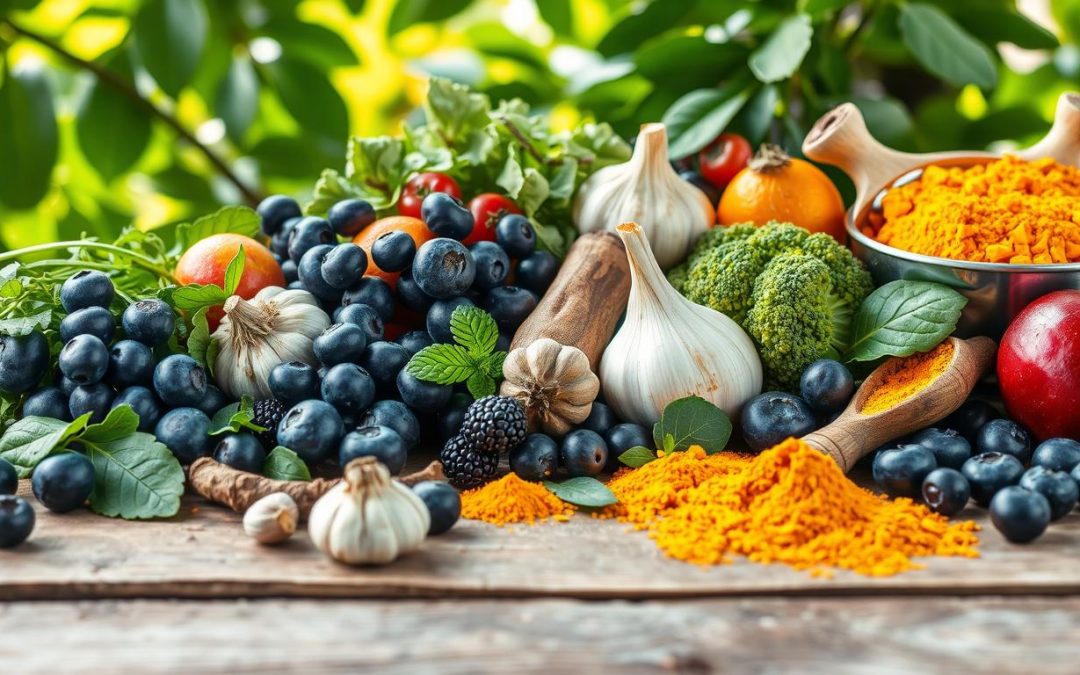
How does what you eat help you fight cancer?
Eating right is key in your fight against cancer. It’s not just a minor detail – it’s a major part of your recovery. A diet aimed at fighting cancer boosts your immune system, cuts down on inflammation, and keeps your energy up. This is especially important when you’re going through tough treatments like chemotherapy or radiation1. But what makes some foods better than others for cancer patients?
Doctors today, like those at Conners Clinic, know how important your diet is when you’re dealing with cancer. They suggest eating certain foods that support your body’s immune system while you are getting treated. Foods like leafy greens, which have lots of vitamin C and beta carotene, and fish, rich in omega-3s, are critical. These foods help your white blood cells work better2. Here, we’ll explore the key foods that strengthen your immune system, helping you feel stronger during cancer treatment.
Key Takeaways
- Eating right is vital for supporting your immune system and overall health while treating cancer.
- A balanced diet helps lower inflammation and boost your energy1.
- Foods rich in omega-3 fatty acids and vitamin C are great for your immune system2.
- Customized nutrition plans can make cancer treatments work better.
- Conners Clinic focuses on using foods that boost your immune system to help manage cancer treatment.
Why Diet Matters During Cancer Treatment
Eating right is crucial when fighting cancer. It helps with side effects and keeping a healthy weight. Dr. Selvi Rajagopal highlights how treatments like chemo and radiation can change your appetite and metabolism. This means you’ll need to adjust what you eat to deal with side effects and keep your weight steady.
Managing Side Effects
Handling cancer side effects is key during treatment. Eating foods high in protein and calories is often needed to stay at a healthy weight, especially if you feel nauseous or have trouble absorbing nutrients3. Balanced meals with plenty of proteins, healthy fats, and vitamins help lessen treatment side effects. They also keep your muscles strong and boost your immune system3.
It’s also advised to eat lots of fruits and veggies. They’re packed with antioxidants, vital for healing and boosting your immune system. This way, you get the nutrients your body needs from food, not just supplements3.
- Drink about four 8-ounce glasses of liquid each day to stay hydrated3.
- Keep saturated fat to less than 10% of your total daily calories3.
- Remember, the FDA doesn’t regulate dietary supplements and herbal products3.
Maintaining a Healthy Weight
Staying at a healthy weight is vital for better cancer treatment results and lowering infection risk. People with cancer often need more protein to heal from surgery, chemo, or radiation3. Your diet also affects your microbiome, which is important for immune function and reducing inflammation linked to cancer growth4.
A diet plan focused on anti-cancer foods is important. It should have nutrient-rich foods that help fight cancer.
| Dietary Aspect | Recommendation |
|---|---|
| Hydration | Drink four 8-ounce glasses of liquid daily3 |
| Protein Intake | Increase it after surgery and during chemo/radiation3 |
| Antioxidants | Get them from a variety of fruits and veggies3 |
| Microbiome Health | Keep a diet that supports immune function and lowers inflammation4 |
To sum up, an anti-cancer diet tailored to your needs is key. It helps handle cancer side effects and maintain a healthy weight during treatment. This leads to better treatment results and a higher quality of life.
Plant-Based Proteins for Immune Support
Adding plant-based proteins to your meals can boost your health. This is especially true for those fighting cancer. Packed with key nutrients, these proteins help keep your immune system strong and your body healthy. With more young people and women choosing plant-based foods for their health and to protect animals, the advantages of plant proteins shine even brighter5.
Types of Plant-Based Proteins
Dr. Rajagopal suggests a variety of plant-based proteins to support your immunity. Among the best are beans, legumes, and nuts, as they’re loaded with vitamins and minerals5. These foods are not only energizing but also packed with nutrients that boost your immune system, like vitamin C, β-carotene, and vitamin E5. Vitamin C is key for the growth and function of B cells and T cells, crucial for a strong immune defense5.
Benefits of Plant Proteins Over Animal Proteins
Choosing plant proteins over animal proteins offers more than ethical and environmental benefits. Studies show that replacing meat with plant-based foods can lower the risk of chronic conditions such as obesity, heart disease, and type 2 diabetes6. Also, 39% of Americans are now trying to eat more plant-based meals6. This change could reduce animal protein intake by 75% while greatly increasing consumption of nutritious plant-based foods6.
Here is a table highlighting the differences between plant-based and animal proteins:
| Aspect | Plant Proteins | Animal Proteins |
|---|---|---|
| Nutrient Density | High in vitamins (e.g., C, E), minerals, antioxidants | High in saturated fats, cholesterol |
| Chronic Disease Risk | Lower risk of heart disease, obesity, type 2 diabetes | Higher risk, especially with processed meats |
| Immune Support | Enhanced immune function with vitamins and antioxidants | Limited, depends on diet diversity |
| Sustainability | Eco-friendly, less resource-intensive | High environmental impact |
In conclusion, the advantages of plant proteins over animal ones are many and meaningful. They not only bolster a healthier immune system but also promote overall well-being and are kinder to our planet6.
Healthy Fats in Your Cancer-Fighting Diet
Adding healthy fats to your diet can help you manage health better and recover from illnesses. These fats are crucial in a diet aimed at fighting cancer.
Sources of Healthy Fats
Omega-3 fatty acids, found in healthy fats, are essential for reducing inflammation in cancer patients. They are present in foods like fish, avocados, walnuts, and olive oil.
A 2019 study showed omega-3s from fish can protect against breast cancer in Asian individuals7. Similarly, eating fish was linked to a lower chance of colorectal cancer in a 2022 study7. These studies highlight the importance of eating various foods rich in healthy fats.
Impact on Inflammation and Cardiovascular Health
Omega-3 fatty acids help manage inflammation and support heart health, which is vital during cancer treatment8. Consuming two or more tablespoons of olive oil daily may lower death risks from heart disease, cancer, or any cause. This research involved 1,567 adults in Spain7.
These fats not only combat inflammation but also boost heart health in cancer patients9. Moreover, trans-vaccenic acid (TVA) can help immune cells attack tumors more effectively9.
Choosing a diet rich in various healthy fats is key to controlling inflammation and improving heart health for cancer patients.
The Role of Omega-3 Fatty Acids
Omega-3 fatty acids are key in fighting inflammation and preventing cancer. Our bodies can’t make them, so we must get them from foods like fish or supplements. People who eat a lot of omega-3s, found in salmon and other fish, face lower risks of colorectal, mammary, and prostatic cancers1011.
These fats play a major role in reducing inflammation, essential in stopping cancer from progressing. Western diets often have too much omega-6 and not enough omega-3, having a balance of 20:110. Omega-3s are important for building cell walls and helping cells work right, which helps prevent cancer12.
Eating plenty of omega-3 fats helps the body in many ways and makes cancer treatments work better. They can stop tumors from growing and help kill cancer cells without hurting normal cells. The EPA and DHA types of omega-3s are especially good at this11.

Studies show that eating fish rich in omega-3s lowers the risk of cancer and heart disease11. Cancer is the second leading cause of death after heart disease, so eating foods high in omega-3s is very important11. Plus, more omega-3s can make you healthier overall, reducing the risk of heart problems and stroke12.
In 2020, 17 million new cancer cases were expected10. Better diets could help improve survival rates and life quality for these patients. Omega-3s in an anti-inflammatory diet play a big part in fighting cancer and keeping you healthy. So, it’s a good idea to eat more foods high in omega-3s or think about taking supplements.
Beta-Carotene Rich Foods
Beta-carotene is an essential nutrient with many health benefits. It is especially good at preventing cancer. Eating foods high in beta-carotene boosts your immune system. It also lowers the chance of getting chronic diseases.
Top Sources of Beta-Carotene
Many fruits and vegetables are full of beta-carotene. Carrots are known for their high amount, making them important for fighting cancer. Sweet potatoes, spinach, kale, and butternut squash are also rich in beta-carotene. These foods are nutritious and make your meals more colorful and tasty.
For a more detailed view of beta-carotene sources, check the table below:
| Food Item | Beta-Carotene Content (µg/100g) |
|---|---|
| Carrots | 8,285 |
| Sweet Potatoes | 9,440 |
| Spinach | 5,626 |
| Kale | 5,895 |
| Butternut Squash | 4,582 |
Health Benefits of Beta-Carotene
The health benefits of beta-carotene are wide-ranging. Eating fruits and veggies high in beta-carotene lowers the risk of heart disease and cancer13. It’s also crucial for keeping your eyes healthy. The Age-Related Eye Disease Study showed that beta-carotene could help slow down macular degeneration13.
Beta-carotene is also a strong antioxidant. Antioxidant-rich foods fight oxidative stress, which can lead to chronic diseases like cancer and heart disease14. Beta-carotene reduces chronic inflammation, linked to many chronic illnesses14.
Studies show that people who eat more carotenoid-rich foods have less body fat and triglycerides. This could mean a lower risk of metabolic syndrome13. Also, beta-carotene helped people with oral leukoplakia show fewer symptoms than those who took a placebo13.
Eating lots of beta-carotene can also protect premenopausal women from breast cancer15. Adding these foods to your diet is a tasty way to enjoy the benefits of beta-carotene.
Polyphenol-Packed Foods for Cancer Prevention
Polyphenols are powerful substances found in many foods. They are known for their ability to fight cancer. They help stop cancer cells from growing and protect the body. This makes them a key part of a diet aimed at preventing cancer.
Understanding Polyphenols
There are over 8,000 types of polyphenols, playing a big role in fighting cancer16. Within these, flavonoids and phenolic acids are especially important, making up about 90% of all polyphenols17. For example, eating a lot of flavonoids can lower the risk of different cancers, like lung, stomach in women, and colorectal cancers17.
Foods High in Polyphenols
| Food Item | Polyphenols (mg) per Serving |
|---|---|
| Chokeberries | 1,123 per half-cup |
| Elderberries | 870 per half-cup |
| Cloves | 542 per ounce |
| Peppermint | 427 per ounce |
| Dark Chocolate | 249 per tablespoon |
| Black Olives | 113 per 5 olives |
Eating foods high in polyphenols brings great health benefits. Foods like chokeberries and elderberries are super rich in polyphenols16. Adding them to your diet can boost your intake of these powerful compounds. People who eat more than 650 milligrams of polyphenols every day have a lower risk of dying compared to those who eat less16.
Cruciferous Vegetables: More Than Just Greens
Cruciferous vegetables are found in the Brassica genus. This group includes broccoli, kale, cauliflower, Brussels sprouts, and turnips18. They are known for fighting cancer thanks to compounds like indole-3-carbinol and sulforaphane1819. Studies have shown that broccoli and kale can lessen the chance of getting types of cancer such as prostate, breast, colon, and oral19.
Indoles and isothiocyanates in these veggies have been found to stop cancer growth in the bladder, colon, and lungs in animal studies18. If you eat five servings of these veggies and two of fruit daily, your health could improve a lot19. Women who eat more than five servings of them a week have a lower chance of lung and breast cancers18.
Eating broccoli and kale does more than just prevent cancer. Having these three times a week can cut the risk of heart disease, IBS, and high blood pressure by more than half19. Some studies found little to no link with prostate cancer, but others showed a lower risk with more vegetable intake18. The Dietary Guidelines for Americans also recommend eating a variety of vegetables daily, including lots of dark-green ones18.
| Vegetable | Main Compound | Potential Cancer Type Reduced |
|---|---|---|
| Broccoli | Sulforaphane | Prostate, Breast, Colon, Oral |
| Kale | Indole-3-carbinol | Bladder, Colon, Lung |
| Cauliflower | Indole-3-carbinol | Colon, Liver, Stomach |
| Brussels Sprouts | Isothiocyanates | Breast, Lung, Stomach |
Despite issues like dietary recall affecting research, it’s clear that these vegetables are very healthy18. Eating more of them helps protect against many diseases, showing how important they are for staying healthy19.
The Power of Antioxidant-Rich Berries
Berries like blueberries and raspberries are packed with antioxidants. Studies show they can block cancer cells and boost our immune system. Eating them often also brings many health benefits due to their great nutrition.

Types of Berries and Their Benefits
Each berry type has its unique perks. Blueberries boast vitamins C and K, fighting oxidative stress and inflammation20. Raspberries are rich in fiber and ellagic acid, which helps fight cancer21. Adding various berries to your diet provides many nutrients, aiding in cancer prevention20.
Below, we have compared different berries and the health advantages they offer:
| Type of Berry | Major Nutrients | Health Benefits |
|---|---|---|
| Blueberries | Vitamins C, K; Fiber; Anthocyanins | Reduces oxidative stress and inflammation; supports heart health |
| Raspberries | Fiber; Vitamin C; Ellagic acid | Anti-carcinogenic properties; aids in weight management |
| Strawberries | Vitamin C; Manganese; Antioxidants | Improves skin health; may lower blood sugar levels |
| Blackberries | Vitamin C, E, K; Fiber; Anthocyanins | Supports brain health; may reduce risk of chronic diseases |
Making berries a daily part of your diet is a smart move for cancer prevention20. Their wide range of nutrients and antioxidants are essential for our well-being.
Immune-Boosting Foods for Cancer
Adding immune-boosting foods to your diet can help your body fight off cancer. These superfoods are known for their ability to reduce inflammation and protect your cells. Let’s explore some key foods that are great for cancer prevention.
Top Superfoods to Include
Turmeric is known for curcumin, which fights inflammation and can slow down cancer cell growth22. I love adding turmeric to my meals. It not only may help fight cancer but also adds a unique taste and color.
Green tea is a powerful superfood against cancer. It’s filled with antioxidants that attack cancer cells. Drinking green tea daily boosts your immunity22. When combined with exercise and a healthy diet, it strengthens your immune system.
Garlic is simple yet powerful for immune health. It contains allicin, which helps fight infections and boosts the immune response. Eating garlic can help protect your cells, aiding in cancer prevention22.
Vitamin C is key for immune-boosting foods aimed at cancer prevention. Oranges and red bell peppers are great sources. A small papaya can meet your daily vitamin C needs, important for activating immune cells23. Red bell peppers have even more vitamin C than oranges, making them a top choice for your meals23.
Almonds are great for vitamin E, providing the daily requirement in half a cup23. Vitamin E boosts your immune system and works as an antioxidant. Sunflower seeds are also a good pick, offering vital selenium for immunity in just an ounce23. These can easily be added to snacks or salads.
Lean proteins, such as chicken and turkey, should not be overlooked. Just 3 ounces of these meats can give you a third of your daily vitamin B6, needed for immune reactions23. Adding these proteins to your diet can keep your immune system strong and add variety to your meals.
Zinc is crucial for a healthy immune system. Women need 8 mg daily, while men need 11 mg23. Shellfish, nuts, and seeds are rich in zinc and vital for your immune health. Make sure these are part of your diet for the best defense against illness.
Conclusion
Eating well is key when fighting cancer. A good diet supports the immune system in many ways. Through our discussions, we learned that it’s not just about certain nutrients. It’s also about the big picture of staying healthy. Foods with bioactive nutrients help boost natural defenses. They make immune cells stronger, stopping cancer cells from growing24.
It’s important to add foods and supplements that strengthen the immune system to your meals. Nutrients like arginine and glutamine are especially good. They help the immune system respond better and prevent cancer cells from spreading24. Getting enough sleep and exercising regularly also plays a big part. Just 30 minutes of physical activity a week can boost your immune health during cancer treatment25. These facts show how vital a balanced diet and activity are for cancer health.
Keep learning and talk to doctors, like those at Conners Clinic, to make smart food choices for your health. As new findings come out, staying up-to-date is crucial. This helps use the best nutrition strategies against cancer. By knowing which foods help your immune system, you can face cancer with confidence.
FAQ
What are some immune-boosting foods for cancer?
For cancer, eat fruits and veggies loaded with antioxidants like berries and broccoli. Salmon and walnuts are great because they’re full of omega-3 fatty acids. Also, don’t forget nuts, seeds, and legumes; they have lots of nutrients.
Why is diet important for cancer patients?
Eating right is key during cancer treatment. It helps with side effects and keeps a healthy weight. A balanced diet with plenty of proteins, fats, and vitamins eases side effects. It keeps muscles strong and supports the immune system, according to Dr. Selvi Rajagopal.
What are the benefits of plant-based proteins?
Beans, legumes, and nuts are packed with nutrients. They’re really good for your immune system when you’re battling cancer. These foods are full of vitamins and minerals. They help your body’s defenses and speed up recovery.
How do healthy fats impact a cancer-fighting diet?
Healthy fats like omega-3 fatty acids from avocados and fish fight inflammation, common in cancer. They’re good for your heart and help control inflammation during treatment.
What role do omega-3 fatty acids play in cancer prevention?
Omega-3 fatty acids, especially from fish, can help protect against cancer by fighting inflammation. Eating lots of omega-3s offers benefits that may lower the risk of cancer getting worse.
Which foods are rich in beta-carotene?
Carrots, sweet potatoes, and dark leafy greens are loaded with beta-carotene. This nutrient boosts immune health and might lower cancer risk thanks to its antioxidant power.
What are polyphenols, and how do they help in cancer prevention?
Polyphenols are found in foods like apples and berries and are known for their antioxidant and possible anticancer benefits. They can slow cancer cell growth and protect you as part of a cancer-fighting diet.
What are the benefits of cruciferous vegetables for cancer patients?
Broccoli and cauliflower are examples of cruciferous veggies. They have sulforaphane, which may stop cancer cells from growing and keep cells healthy. These veggies are key for preventing cancer.
Which berries are beneficial for fighting cancer?
Berries such as blueberries, raspberries, and strawberries are full of antioxidants. Research shows they might stop cancer cells from growing and strengthen the immune system.
What are some top superfoods to include in a cancer-fighting diet?
Include superfoods like turmeric, green tea, and garlic in your diet. They’re known for their strong anti-inflammatory and antioxidant effects. These can boost your immune function and may help keep cancer at bay.
Source Links
- Cancer Diet: Foods to Add and Avoid During Cancer Treatment – https://www.hopkinsmedicine.org/health/conditions-and-diseases/cancer/cancer-diet-foods-to-add-and-avoid-during-cancer-treatment
- Foods to Boost Your Immune System – https://www.brownhealth.org/be-well/foods-boost-your-immune-system
- Benefits of Good Nutrition During Cancer Treatment – https://www.cancer.org/cancer/survivorship/coping/nutrition/benefits.html
- Diet for your Diagnosis: Nutrition plays prime role in treating cancer – https://www.uclahealth.org/news/article/diet-for-your-diagnosis-nutrition-plays-prime-role-in-treating-cancer
- Functional constituents of plant-based foods boost immunity against acute and chronic disorders – https://pmc.ncbi.nlm.nih.gov/articles/PMC9462539/
- The Power of Plant-Based Eating – https://www.lls.org/article/power-plant-based-eating
- 12 cancer-fighting foods to add to your diet – https://www.medicalnewstoday.com/articles/324193
- Your Seasonal Guide to Cancer-Fighting Foods – Health & Wellness | Loma Linda University Health – https://lluh.org/patients-visitors/health-wellness/blog/your-seasonal-guide-cancer-fighting-foods
- Nutrient found in beef and dairy improves immune response to cancer – https://biologicalsciences.uchicago.edu/news/tva-nutrient-cancer-immunity
- Protective Effects of Omega-3 Fatty Acids in Cancer-Related Complications – https://pmc.ncbi.nlm.nih.gov/articles/PMC6566772/
- Omega-3 Fatty Acids and Cancer Cell Cytotoxicity: Implications for Multi-Targeted Cancer Therapy – https://pmc.ncbi.nlm.nih.gov/articles/PMC4773771/
- Omega-3 Fatty Acids: An Essential Contribution – The Nutrition Source – https://nutritionsource.hsph.harvard.edu/what-should-you-eat/fats-and-cholesterol/types-of-fat/omega-3-fats/
- Beta-carotene Information | Mount Sinai – https://www.mountsinai.org/health-library/supplement/beta-carotene
- Beta-Carotene: Where To Find It and Why You Need It – https://health.clevelandclinic.org/beta-carotene
- Dietary Carotenoids and the Risk of Invasive Breast Cancer – https://pmc.ncbi.nlm.nih.gov/articles/PMC3564658/
- Healthy Foods High in Polyphenols – https://www.webmd.com/diet/foods-high-in-polyphenols
- Natural Polyphenols for Prevention and Treatment of Cancer – https://pmc.ncbi.nlm.nih.gov/articles/PMC4997428/
- Cruciferous Vegetables and Cancer Prevention – https://www.cancer.gov/about-cancer/causes-prevention/risk/diet/cruciferous-vegetables-fact-sheet
- Broccoli and other cruciferous veggies can significantly lower cancer risks – https://www.uclahealth.org/news/article/broccoli-and-other-cruciferous-veggies-can-significantly-lower-cancer-risks
- Protective Role of Dietary Berries in Cancer – https://pmc.ncbi.nlm.nih.gov/articles/PMC5187535/
- 9 foods that fight cancer – https://atriumhealth.org/dailydose/2015/03/03/9-foods-that-fight-cancer
- What foods boost your immune system? – Nutrition Program – https://unclineberger.org/nutrition/what-foods-boost-your-immune-system/
- What to Eat and Drink to Boost Your Immune System – https://www.healthline.com/health/food-nutrition/foods-that-boost-the-immune-system
- Prevention and Treatment of Cancers by Immune Modulating Nutrients – https://pmc.ncbi.nlm.nih.gov/articles/PMC6038926/
- 5 Ways to Boost Immunity During Cancer Treatment – https://actchealth.com/blogs/5-ways-to-boost-immunity-during-cancer-treatment