

Have you ever thought about how changing your routine could really change your cancer treatment journey? Many people find the stress of fighting cancer very tough. Adding relaxation techniques for cancer management can help lessen these hard times. In this article, we’ll explore some great relaxation exercises for cancer patients. We’ll look at everything from mindfulness to guided imagery. You’ll see how these methods can make a big difference in feeling better.
Key Takeaways
- Up to 50% of cancer patients struggle to sleep, showing the need for relaxation techniques to sleep better1.
- Using stress management for cancer patients can cut down anxiety and mood issues by up to 65%1.
- Mindfulness-based methods are great for keeping telomere length during treatment1.
- Meditating for 15 to 20 minutes twice a day is suggested to help with pain and high blood pressure2.
- Mindfulness for cancer patients can help reduce overwhelm and encourage relaxation with 2:1 breathing techniques1.
Understanding the Need for Relaxation in Cancer Care
Dealing with cancer is hard, and relaxation plays a key role3.Relaxation therapies help handle stress and make life better. The NCCN suggests checking all cancer patients for stress with tools like the Distress Thermometer.
Emotional and Physical Challenges
Many patients go through a lot emotionally, feeling sad, scared, or alone4. About 20% to 30% have a tough time with their feelings during their cancer journey. This is why finding ways to cope is important.
Stress from cancer can hurt your health, leading to heart issues or depression3. That’s why it’s crucial to focus on ways to relax. Relaxation therapy for cancer patients can really help with these problems.
Importance of Stress Management
Managing stress in cancer care is very important3.Studies show that mind and body practices can reduce stress a lot. These can make you feel better, both in your mind and body.
About 70% of people with serious illnesses find their lives improved by palliative care4. But, only 30% get referred to this vital help. Cancer relaxation therapy should be a regular part of care to improve patients’ lives. It helps with emotional balance and dealing with pain and tiredness.
Benefits of Relaxation Techniques for Cancer Patients
Relaxation methods greatly help cancer patients, showing the importance of these practices every day. They do not just improve mood but also boost physical health significantly.
Reducing Anxiety and Stress
Many cancer patients deal with anxiety and stress, worsening their health. About 60% of patients see their anxiety drop by using these techniques5. Mindfulness also reduces stress by 25% among these individuals6. Consistently practicing relaxation can cut stress levels by half7.
Improving Sleep Quality
Sleep is crucial for those fighting cancer, but treatments can interrupt it. Techniques like Progressive Muscle Relaxation improve sleep quality by 55%5. Mindfulness further boosts sleep quality by 15% for these patients6. Better sleep heavily influences a positive health outcome in cancer care7.
Managing Pain and Fatigue
Pain and fatigue management is key during cancer treatment. Virtual mind-body classes have cut hospitalization risks by 30%5. Progressive muscle relaxation reduces stress by 25%, aiding in pain and fatigue relief7. Mindfulness practices also lower pain by 20%6.
Relaxation techniques in cancer care are very beneficial. They help lessen anxiety, improve sleep, and reduce pain. This shows how vital cancer relaxation programs are for patient care.
Mindfulness Meditation: A Pathway to Peace
Mindfulness meditation is a strong way to improve well-being, especially for cancer patients. It helps improve emotional and physical health. This is done by teaching patients to be aware and present at the moment.
Practicing Mindfulness Meditation
Mindfulness meditation helps you focus on the now. It teaches you to notice your thoughts and feelings without judgment. By practicing regularly, people feel better mentally and physically8. Meditation helps reduce anxiety and builds better ways to cope with stress8. This approach makes it easier for patients to handle their condition’s stress.
To really benefit, it’s important to practice mindfulness often. A 6-12 week course is recommended for learning these skills9. Doing these exercises daily can lower chronic pain, depression, and trouble sleeping8.
Mindfulness-Based Stress Reduction (MBSR)
MBSR combines mindfulness with exercises that help you notice your body. It’s become a key method in cancer care. People dealing with cancer find it helps them emotionally and physically8. Studies reveal MBSR can greatly improve mood, with participants feeling up to 65% better9.
MBSR lowers stress by 31%, boosting how well patients handle their emotions9. It’s noted for helping women with breast cancer feel less depressed and more capable of coping9. MBSR also aids in better management of body responses, leading to growth after trauma and lowering harmful body markers9.
Mindfulness helps cancer patients live longer. It betters how they control emotions and manage stress10. Being in MBSR groups gives a feeling of support, greatly influencing life quality10.
| Benefit | Evidence |
|---|---|
| Reduced Anxiety | 15 studies reported its effectiveness8 |
| Improved Sleep | Significant improvement in sleep parameters9 |
| Enhanced Coping Strategies | Improved coping capacity among cancer patients9 |
Visualization and Guided Imagery for Cancer Relief
Guided imagery for cancer helps by connecting the mind and body. This technique can ease symptoms and make life better for patients. It offers great benefits both mentally and physically.
Creating Calming Mental Images
Visualization is about making peaceful pictures in your mind. These images help cancer patients feel less anxious. Studies show that visualization can lower anxiety by 30%11.
Guided imagery also boosts quality of life. It lessens pain, stress, and tiredness during treatments12. This method isn’t just for tough times. It also helps with pain relief and improves overall health. Using all five senses makes the visualization stronger, raising relaxation by 15%11.

Guided Sessions and Resources
Guided sessions are structured and can be led by therapists or audio recordings. These sessions help reduce anxiety, pain, and nausea in cancer patients12. Practicing regularly makes dealing with stress easier, showing big improvements in 6 to 8 weeks11.
Patients feel 20% more in control of their symptoms with guided imagery11. This control is key in handling the ups and downs of cancer care. It’s a gentle way to better their quality of life, especially for those with many symptoms12.
| Benefit | Statistical Improvement |
|---|---|
| Reduction in Anxiety | 30%11 |
| Perceived Control Over Symptoms | 20%11 |
| Relaxation Effectiveness | 15%11 |
Relaxation Techniques for Cancer Management
Taking up relaxation techniques at home is key for people receiving cancer treatment. It helps lessen anxiety, manage pain, and boost life quality.
Deep Breathing Exercises
Deep breathing is a top relaxation method for cancer. It involves abdominal breathing to fully open the lungs and relax. Doing these exercises when you’re not short of breath boosts their effect13. Practice this 3 to 4 times daily for slower, deeper breaths13. Rectangle breathing, inhaling for about 4 seconds and exhaling for around 6, helps too13.
A study found cancer patients who did deep breathing exercises felt 30% less stressed than others14. These exercises also cut stress hormone levels by 15%14. Adding music or visualizations can ease the anxiety of breathlessness, but how well they work isn’t fully known yet13.
Progressive Muscle Relaxation
Progressive muscle relaxation (PMR) effectively manages cancer therapy relaxation techniques. It involves tensing and relaxing muscles, which relaxes both your body and mind. PMR is especially helpful for breathlessness in palliative care, showing its role in complete cancer care13. A survey found 55% of cancer patients value support from loved ones in emotional coping14.
Studies confirm PMR lowers stress and anxiety when included in daily routines13. After chemotherapy, PMR users had lower anxiety scores compared to those who didn’t use PMR15. Beyond calming the mind, PMR helps keep the body in balance, promoting wellness15.
Yoga and Tai Chi: Harmonizing Body and Mind
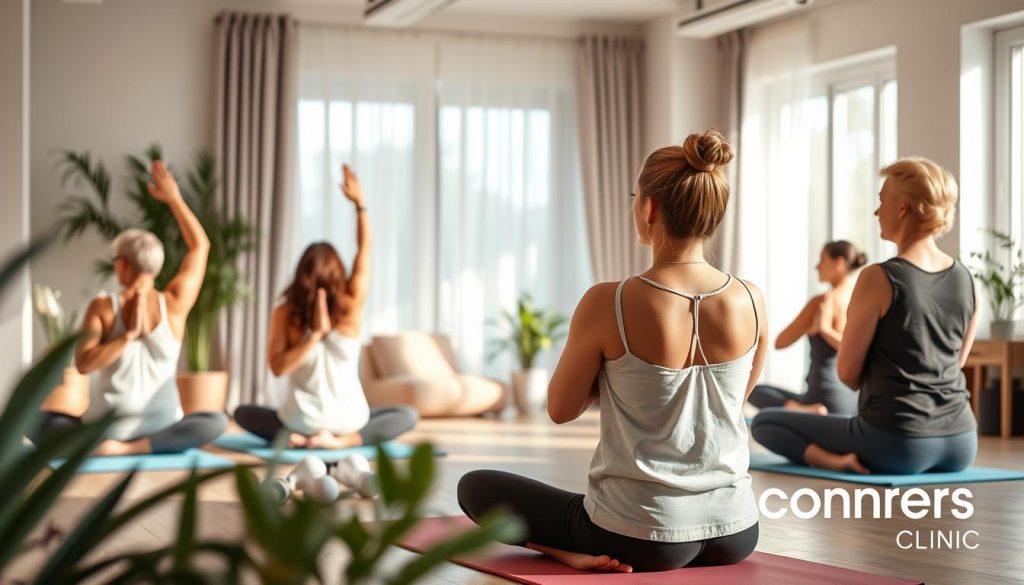
Yoga and Tai Chi bring harmony to the body and mind. They are especially helpful for cancer patients. These activities offer gentle movements and structured classes, improving well-being. They also lessen anxiety and stress, which is vital during cancer treatment.
Gentle Movements for Stress Relief
Yoga has been proven to lower inflammation, boost mood, and cut stress in cancer patients16. It lowers cortisol, a stress hormone often high in those with cancer17. Tai Chi also has great benefits. It enhances balance and cuts the risk of falls by 47% among older people17. This supports both physical and mental recovery.
Finding Yoga and Tai Chi Classes
Finding the right yoga and Tai Chi classes is important. Look for instructors who know how to work with cancer patients. Hospitals and treatment centers often have classes designed for them. Doing yoga can boost immune function by 50%17. This is very helpful for those recovering from cancer. These practices can greatly improve life quality by tackling Cancer-Related Fatigue and the emotional stress of cancer16.
| Benefits | Yoga | Tai Chi |
|---|---|---|
| Stress Reduction | Reduces cortisol levels | Improves overall mood |
| Immune Function | Enhances immune markers by 50% | Reduces inflammation |
| Physical Health | Improves balance and flexibility | Reduces falls by up to 47% |
| Mental Well-Being | Alleviates symptoms of anxiety and depression | Increases emotional regulation |
Integrating Relaxation into Daily Life
Making relaxation a part of daily life can really help cancer patients. It not only lowers stress but also improves overall health. Different methods can be used to make relaxation a regular habit.
Yoga is a great way to bring relaxation into your day. Studies say that cancer patients doing yoga feel better overall. They have less anxiety, sleep better1819, and feel less tired. Yoga also brings people together, making them feel less alone18.
Mindfulness meditation is another good strategy. It helps patients focus on the present moment. This is very useful during ongoing medical checks and treatments19. These practices help patients reconnect with themselves, which is crucial after tough treatments like chemotherapy18.
Deep breathing and muscle relaxation exercises work well too. They help calm the mind, slow down the heart, and ease tension. These activities make relaxation a natural part of everyday life.
- Yoga: Improves quality of life, reduces anxiety and fatigue18.
- Mindfulness Meditation: Keeps patients present, aiding emotional stability1819.
- Deep Breathing Exercises: Calms the mind and reduces stress.
Personal Stories: How Relaxation Techniques Helped Me
I faced many tough moments as a cancer patient. But hearing cancer patient testimonials about relaxation techniques motivated me. A fellow survivor’s story on mindfulness meditation showed me its benefits, like less anxiety. This matched what I went through20. Using these methods daily really changed how I dealt with cancer fears.
I found real-life cancer coping stories that reflected my own pain struggles after treatment. A story shared the struggle with chronic neuropathic pain (CNP), common among 20% to 50% of cancer survivors. It stressed the relief mindful breathing and meditation brought21. Guided imagery gave me peace, helping me manage stress responses, like fast breathing and heart rate increases20.
Hearing how a mindfold blindfold could make meditation better made me try it. It was truly calming20. Stories showed online mindfulness-based programs (MBPs) were as good as face-to-face ones. The ongoing benefits after finishing them were a big plus21. They encouraged me to join online MBPs, feeling connected and safe without needing to travel21.
One moving story was about using gentle yoga to ease stress. Cancer patients found it lifted their mood and cut stress, especially with adjusted yoga practices22. Gentle stretches and breath work also helped me focus and stay emotionally balanced22.
Also, taking up creative hobbies, like adult coloring books, based on advice from other survivors, was a great stress reliever. These stories showed how valuable relaxation techniques are in daily life. They confirmed these methods were key in my cancer journey.
| Technique | Impact |
|---|---|
| Mindfulness Meditation | Reduced anxiety after a few weeks20 |
| Guided Imagery | Countered physical stress reactions20 |
| Online MBPs | Continuous benefits post-completion21 |
| Gentle Yoga | Improved mental health and reduced stress22 |
| Creative Activities | Positive stress coping mechanism |
Conclusion
The road of cancer treatment is tough, touching everything from bodies to spirits. This article has shown how calmness techniques can help, lowering stress, aiding sleep, and managing pain better. Practices like mindfulness, deep breathing, yoga, and Tai Chi bring peace and healing in unique ways.
Mindfulness meditation is particularly good for the mind and body. A study with 272 patients in Spanish hospitals found significant life quality boosts (scores up from 55.33 to 64.49) through these practices. Plus, combining visualization with muscle relaxation helps lessen fatigue, pain, and anxiety for some cancer patients during chemo2324.
Using these calming practices every day can change the cancer journey deeply. They help in dealing with stress and fear, making overall life quality better. The proof shows the value of these methods in cancer care, highlighting the call for more research and tailored use in treatment.
FAQ
What are relaxation techniques for cancer management?
For cancer management, relaxation techniques include deep breathing, progressive muscle relaxation, mindfulness, and visualization. They help reduce stress and improve well-being during treatment.
How do relaxation exercises benefit cancer patients?
Relaxation exercises can decrease anxiety, enhance sleep, ease pain, and bring calmness to cancer patients. They help patients cope with cancer’s emotional and physical stress.
Can mindfulness be helpful for cancer patients?
Yes, mindfulness benefits cancer patients by reducing stress and boosting emotional stability. It enhances life quality. Practices like meditation and MBSR are highly recommended during treatment.
What are some stress management techniques for cancer patients?
Stress management for cancer patients may involve yoga, tai chi, mindfulness, and deep breathing. Progressive muscle relaxation and guided imagery also help. Finding the right mix is key.
What is the role of cancer relaxation programs?
Cancer relaxation programs provide tools and practices to handle stress and anxiety. They include lessons on various relaxation methods to help patients find the best fit for them.
How do I practice mindfulness meditation for stress relief?
To practice mindfulness meditation, focus on the now, breathe deeply, and watch your thoughts without judging. It reduces stress and improves emotional health if done regularly.
What is MBSR and how does it help in cancer care?
MBSR is a program that uses mindfulness and yoga for stress management. It helps cancer patients handle stress better, reducing anxiety and improving life quality.
What is guided imagery and how can it help with cancer management?
Guided imagery uses peaceful images in the mind to relax and lower stress. It’s effective for dealing with cancer’s emotional and physical challenges. Guidance helps with practice.
How do I perform deep breathing exercises at home?
To do deep breathing exercises, sit or lie in a quiet spot. Inhale deeply through your nose, let your belly rise, then exhale slowly through your mouth. Repeat to relax and destress.
What is progressive muscle relaxation and how is it done?
Progressive muscle relaxation involves tensing and releasing muscles from toes to head. Focus on each group to lessen tension and relax.
Are yoga and tai chi beneficial for cancer patients?
Yes, yoga and tai chi help cancer patients by reducing stress, increasing flexibility, and boosting well-being. These practices support symptom management and improve life quality.
How can I incorporate relaxation techniques into my daily routine?
To add relaxation techniques to your day, carve out time for deep breathing, mindfulness, or yoga. Picking enjoyable and practical methods is crucial for consistency.
Can you share personal stories of how relaxation techniques have helped cancer patients?
Many patients share how relaxation techniques significantly eased their journey with cancer. Stories tell of less stress, better sleep, and improved pain control, offering hope to others.
Source Links
- Being Present with Cancer – https://www.mindful.org/mindfulness-cancer-recovery-living-healing-moment/
- Meditation and cancer – https://www.cancerresearchuk.org/about-cancer/treatment/complementary-alternative-therapies/individual-therapies/meditation
- Mind-Body Practices in Cancer Care – https://pmc.ncbi.nlm.nih.gov/articles/PMC4428557/
- Managing Distress | Coping with Distress – https://www.cancer.org/cancer/managing-cancer/side-effects/emotional-mood-changes/distress/managing-distress.html
- Meditation and Relaxation for Your Mind and Body – https://www.cancer.gov/about-cancer/coping/feelings/relaxation
- Cancer Relaxation Techniques | Mind Body Practices – https://www.cancercare.org/publications/54-relaxation_techniques_and_mindfulness_practices_coping_with_cancer
- Practice Mindfulness and Relaxation – https://www.cancer.org/cancer/survivorship/coping/practice-mindfulness-and-relaxation.html
- Mindfulness Meditation as Psychosocial Support in the Breast Cancer Experience: A Case Report – https://pmc.ncbi.nlm.nih.gov/articles/PMC9312008/
- Mindfulness Meditation & Cancer Care: Benefits & Evidence – https://www.miog.com.au/blog/mindfulness-meditation-for-patients-with-cancer
- Exploring Cancer Patients’ Experiences of an Online Mindfulness-Based Program: A Qualitative Investigation – https://www.ncbi.nlm.nih.gov/pmc/articles/PMC7346987/
- How the Visualization Technique Can Help Cancer Patients – https://mnoncology.com/resources/blog/how-visualization-technique-can-help-cancer-patients
- Guided Imagery – https://www.mskcc.org/cancer-care/integrative-medicine/therapies/guided-imagery
- Breathing and relaxation techniques – https://www.cancerresearchuk.org/about-cancer/coping/physically/breathing-problems/treatment/breathing-relaxation-techniques
- Learning to relax when you have cancer – https://www.cancervic.org.au/get-support/living-with-cancer/learning-to-relax
- Relaxation training during chemotherapy for breast cancer improves mental health and lessens adverse events – https://pmc.ncbi.nlm.nih.gov/articles/PMC3832338/
- Yoga as a Comprehensive Therapy for Reducing Cancer- Related Fatigue: A Comprehensive Review – http://waocp.com/journal/index.php/apjcc/article/view/1273
- Understanding the Mind Body Connection for Cancer – https://onlinecancercoach.com/blog/understanding-the-mind-body-connection-for-cancer/
- Cancer and Yoga | Relaxation and Meditation – https://www.cancercare.org/publications/250-cancer_and_yoga
- Stress Management Interventions to Facilitate Psychological and Physiological Adaptation and Optimal Health Outcomes in Cancer Patients and Survivors – https://pmc.ncbi.nlm.nih.gov/articles/PMC10358426/
- Meditation Helped Me Handle Fear of Cancer Recurrence – https://www.curetoday.com/view/meditation-helped-me-handle-fear-of-cancer-recurrence
- Exploring Cancer Patients’ Experiences of an Online Mindfulness-Based Program: A Qualitative Investigation – https://pmc.ncbi.nlm.nih.gov/articles/PMC7346987/
- Relaxation techniques to care for your mind and body – https://www.thisislivingwithcancer.com/content/relaxation-techniques-care-your-mind-and-body
- The impact of muscle relaxation techniques on the quality of life of cancer patients, as measured by the FACT-G questionnaire – https://pmc.ncbi.nlm.nih.gov/articles/PMC5648131/
- Visualisation and cancer – https://www.cancerresearchuk.org/about-cancer/treatment/complementary-alternative-therapies/individual-therapies/visualisation