

Ever thought how integrative cancer care could change your treatment journey?
Integrative cancer care mixes regular medicine with complementary therapies. It’s also called holistic or alternative cancer treatment. This method treats the whole person—body, mind, and spirit. Studies show using both traditional and alternative treatments improves life quality and recovery for patients. For example, massage therapy can lessen stress, nausea, pain, and fatigue. This gives cancer patients a needed break1.
There’s also proof acupuncture helps stop nausea and vomiting from chemo1. Eating right during and after treatment can lead to better recovery and longer life. It also helps prevent the cancer from coming back1. All these point to the value of a holistic approach in cancer care. It looks at all patient needs.
Mind-body techniques have been shown to improve mood and lower stress, anxiety, depression, and pain in cancer patients1. Integrative oncology, offered at top cancer centers, focuses on treating the whole patient, not just the disease. Patients can get acupuncture, yoga, and nutritional advice to help deal with side effects and improve well-being2.
Key Takeaways
- Combining conventional medicine with complementary therapies offers a holistic approach to treating cancer.
- Massage therapy helps reduce psychological distress, nausea, pain, and fatigue.
- Acupuncture is effective in preventing and treating nausea and vomiting from chemotherapy.
- Proper nutrition can enhance recovery, prolong survival, and decrease recurrence of cancer.
- Mind-body practices improve mood and alleviate stress, anxiety, and depression in cancer patients.
- Integrative oncology services are becoming increasingly available at top cancer centers.
- Holistic treatments aim to treat the patient as a whole, addressing both physical and emotional needs.
Understanding Integrative Cancer Care
Integrative oncology is a whole-person approach to cancer care that combines standard treatments with complementary therapies. It aims to look after every aspect of a patient’s health. This method seeks to improve survival rates and life quality for patients3.
Definition and Principles
Integrative cancer care brings together regular medical treatments, complementary therapies, and self-care. This combination betters treatment results, handles side effects, and lessens the risk of the cancer coming back. It targets the physical, mental, emotional, and spiritual aspects to better overall health4.
History and Evolution
Integrative oncology has grown over 40 years, thanks to experts like Professor Ben Pfeifer, M.D., Ph.D3. The International Tumor Board offers quick second opinions, reflecting a commitment to current and effective cancer care3. This area has blended standard and complementary treatments, leading to innovative methods that ease side effects and enhance life quality3.
Key Benefits of Integrative Cancer Care
A key plus of integrative cancer care is its focus on the patient. It pushes for patients to be actively involved in their treatment path. It highlights their role in healing4. Also, using complementary therapies alongside standard ones can prevent side effects like anxiety and sleep issues4. Integrative oncology also supports self-care with diet and exercise to boost the body’s natural healing ability4.
This approach looks after both the body and mind, improving well-being3. Patients often feel better overall when complementary and self-care methods are used with conventional treatments4. Above all, this model focuses on lowering the chance of cancer returning and promoting long-term health4.
Holistic Cancer Care Approaches
Taking a holistic approach to cancer care is becoming more popular. Patients want care that covers all their needs. This approach mixes traditional medicine with proven complimentary methods and lifestyle changes. It helps with both the body and mind aspects of dealing with cancer5.
Mind-Body Practices
Mind-body exercises like meditation, tai chi, and yoga are key in holistic cancer care. They reduce stress, improve sleep, and make life better for people with cancer6. Studies show meditation reduces anxiety and boosts mood. This is a big help for those fighting cancer6.
Regular exercise, including tai chi and yoga, helps lower tiredness and betters sleep. This all aids in recovery6.
Acupuncture and Acupressure
Acupuncture and acupressure are important in the holistic treatment of cancer. Research shows acupuncture helps with nausea from chemotherapy and some pains6. About 70% of patients try holistic methods to ease side effects like nausea, pain, and tiredness7. These practices not only lessen physical issues but also help lower anxiety and increase overall happiness7.
Personalized Cancer Care Plans
Personalized cancer care plans focus on the patient. They choose treatments based on the patient’s genetic makeup and situation. This approach makes treatments more effective and lowers side effects. It makes the care journey better and more caring.
Creating a Custom Treatment Plan
Oncologists create custom plans by examining genes, biomarkers, and overall health. Precision medicine is now used in 30% of cancer cases8. It makes diagnosis 50% more accurate8. For some cancers, genetic tests predict which treatments will work best8. This helps pick the right therapy, increasing survival chances and leading to longer times without the disease getting worse8.
Thanks to advanced testing, about 30% of patients find better treatments9. Adding supportive care lowers side effects by 40%9. This care improves well-being and outcomes9.
Role of the Patient in Care Planning
Patients play a key role in their cancer care plans. Talking openly with doctors ensures the plan fits the patient’s wishes and health needs. Testing can predict who might have bad reactions to drugs in 30% of cases8. It shows why a patient’s genes matter in choosing treatments.
Plans that mix medical and supportive care improve life quality by 25%9. Emotional support is crucial, as 70% of patients face emotional challenges during treatment9. A focus on the patient helps address these issues and leads to better care satisfaction.
In the end, cancer care plans that are personalized and centered around the patient show a clear way to better, kinder treatment. They improve survival and patient happiness.
Integrative Oncology Services at Conners Clinic
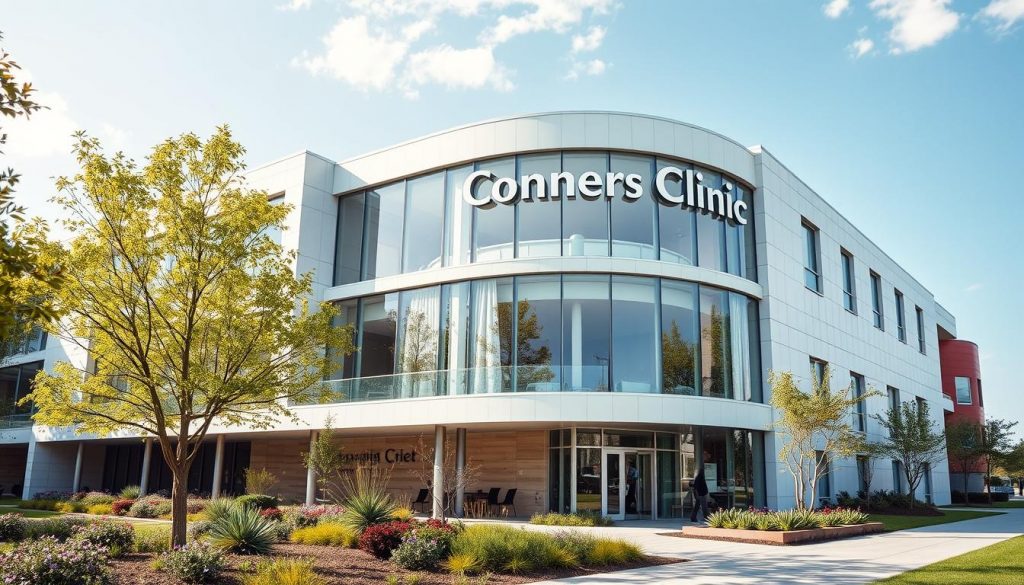
At Conners Clinic, patient care comes first in battling cancer. We offer integrative oncology services that support traditional treatments. These services provide holistic care. Each patient gets a treatment plan tailored to them.
Custom Programmed Rife Machine
The Custom Programmed Rife Machine is a key tool at Conners Clinic. It’s customized for each patient. It uses specific frequencies to target cancer cells directly. This helps lessen tumor size and reduces side effects of conventional treatments.
Personal Protocols
Personalized care is central to our approach. We create unique protocols for every patient. These consider their health history, cancer type, and personal health needs. This ensures their treatment is both effective and supportive of their well-being.
We include guided imagery and music therapy in our care protocols. These have been shown to lower heart rate, blood pressure, and pain after surgery10. They also reduce pain and anxiety in patients10. Additionally, we focus on symptoms like anxiety, fatigue, and insomnia, common in cancer patients10.
Our team at Conners Clinic is highly skilled in integrative oncology services. They aim to provide care that improves both body and mind during cancer treatment.
| Symptom | Management Approach |
|---|---|
| Anxiety | Guided imagery, Music therapy |
| Fatigue | Custom Programmed Rife Machine, Personalized protocols |
| Depression | Personalized protocols, Mind-body practices |
| Insomnia | Personalized protocols, Acupuncture |
| Joint Pain/Neuropathy | Massage therapy, Yoga |
Conners Clinic combines these services to support patients at every stage of their cancer journey. Our goal is to deliver the best care possible.
Nutrition and Dietary Counseling
Eating the right food is key when fighting cancer. It boosts the success of treatments and helps patients feel better. Eating well also tackles issues like malnutrition and a weak immune system. This forms a cornerstone of effective cancer care.

Impact of Nutrition on Cancer Treatment
Food is important for cancer patients as they navigate their treatment. Many, between 30%-50%, face malnutrition. This can lead to more infections, surgery problems, and less tolerance for treatment11. Malnutrition also means a higher chance of passing away for those with serious cancer11. Food insecurity hits 17% to 55% of patients, revealing an urgent issue to tackle12. Shockingly, bad eating habits cause about 18% of new cancer cases and 16% of deaths11.
To help, cancer care places are starting food pantries. These vary from small closets to big rooms12. This help gives more than food; it offers patients support and a community feeling during hard times.
Supplement Guidance
Diet advice and supplement tips are critical for handling health problems in cancer patients. Good nutrition can help with weight, pre-diabetes, diabetes, cholesterol, and high blood pressure13. These issues affect many Americans. Nutrition visits are key for stopping chronic illnesses too. Changes in lifestyle can prevent 70%-80% of these diseases13.
Specific tests like Cellular Nutrient Assays and ALCAT food sensitivity tests make diet plans more effective13. They check for nutrient needs and food reactions. Making sure every cancer patient’s diet is tailored to them is essential.
Complementary Therapies in Cancer Care
Adding complementary therapy to a cancer treatment plan offers big benefits. These therapies help along with regular treatments to ease symptoms, boost well-being, and make life better for patients. We’ll look at three complementary therapies proven to help in cancer care.
Aromatherapy
Aromatherapy uses plant oils to boost physical, mental, and emotional health. Oils like peppermint and lavender fight off fungi and can heal mouth sores from chemotherapy14. Also, their calming smells reduce stress and anxiety, helping handle the mental effects of cancer treatment14.
Reiki
Reiki is an energy healing that corrects the body’s energy. It’s thought to ease pain and stress. Those who try Reiki feel calmer and better both during and after treatment. Adding Reiki to cancer treatment helps with overall healing.
Massage Therapy
Massage therapy is known for lessening muscle tension and promoting relaxation. In cancer care, it eases pain, lowers stress, and boosts blood flow. Using massage with essential oils like peppermint or lavender increases anti-inflammatory effects, making it great for a full care plan14.
Talking to healthcare providers before adding complementary therapy to cancer care is key. Techniques from aromatherapy to Reiki and massage therapy greatly help cancer patients. These therapies play a big role in alternative cancer treatment plans.
Integrative Medicine at Leading Institutions
More and more cancer centers are embracing integrative medicine to improve cancer care. They combine usual treatments with other therapies to help patients feel better and live longer.
Services Offered by ICC
Dr. Ben Pfeifer’s Integrative Cancer Care (ICC) has over 47 years of medical expertise. It draws specialists from top medical places around the globe. They offer a wide range of services, including the International Virtual Tumor Board. This board gives expert advice and second opinions on cancer treatments3.
ICC mixes usual cancer treatments with tested complementary methods. They aim to help people recover fully – body, mind, and spirit3. Their comprehensive care looks to increase survival rates and improve quality of life. It focuses on lessening side effects and enhancing life quality3.
Integrative oncology adds complementary therapies to Western medicine for safer, more effective care. It promotes better results through changes in lifestyle. For instance, acupuncture helps reduce nausea and pain from chemo. Aromatherapy can ease stress, pain, and nausea6.
Meditation and tai chi are used to decrease stress and improve mood. The popularity of integrative oncology is increasing in many places. But, more trained doctors are needed to keep up with demand6.
About 40% to 80% of cancer patients try complementary therapies during treatment. Some treatments, like massage and acupuncture, might be covered by insurance. The US ensures vitamins and supplements are properly labeled with a “USP Verified” seal2.
Managing Side Effects with Integrative Methods
Effectively managing cancer side effects is key to a patient’s quality of life. Integrative methods combine regular medical treatments with complementary therapies. This blend helps tackle different symptoms for whole-patient care15.
Reducing Pain and Nausea
Pain is a major issue in cancer care. It’s the most common symptom that patients report. Integrative oncology uses practices like acupuncture for neuropathic and joint pain relief16. Techniques such as yoga are also used for neuropathy and pain16. For nausea, combining nutrition advice and herbal remedies has shown success, especially in young patients17.
Emotional and Psychological Support
Cancer can cause significant emotional and psychological distress. Issues like anxiety, depression, and trouble sleeping are common. Integrative care includes Reiki and aromatherapy to lessen stress and improve well-being15. Adding these methods covers the full needs of the patient’s mind, body, and spirit. They have helped 78% of young cancer patients feel better17. If pain is not well-managed, it can lead to mood disorders and greatly impact quality and length of life16.
Healthcare providers can better support cancer patients by combining medical and integrative therapies. This approach eases physical symptoms and offers emotional support. It leads to a healthier lifestyle and improves patient outcomes16.
Conclusion
As we wrap up this discussion, it’s key to highlight the great benefits of integrative cancer care. This approach blends conventional medicine with holistic healing, giving patients thorough support. They get help with their physical, emotional, and mental health. Today, most cancer centers—91.1%—talk about nutrition, and 84.4% discuss dietary supplements with their patients. This shows that integrative methods are becoming a big part of cancer care18.
Integrative oncology is growing fast. It brings more treatment choices and a deeper understanding of what patients need. Now, between 30% and 50% of cancer patients use complementary and alternative medicine. This shift shows a move towards whole-person care18. Also, studies show that exercises and anti-nausea medicines can help with cancer symptoms. These options are both effective and safe, showing the value of integrative therapies19.
Places like the Wilmot Cancer Institute provide free integrative consultations, thanks to the Pluta Cancer Center Foundation. This makes these important services available to more people19. As integrative practices spread in cancer centers, patients benefit greatly. They experience healing that takes care of the whole person. This leads to a more personalized and supportive treatment journey.
FAQ
What is Integrative Cancer Care?
Integrative Cancer Care blends conventional cancer methods with holistic therapies. It focuses on a personalized, whole-person approach to healing.
What are the principles of Integrative Cancer Care?
This approach cares for the entire person by combining mind, body, and spirit. It uses both traditional and alternative treatments to boost health.
How has Integrative Cancer Care evolved over time?
Over time, Integrative Cancer Care has grown to include more therapies. It stresses evidence-based methods to help patients feel better and live longer.
What are the key benefits of Integrative Cancer Care?
The main advantages are tailored treatment plans, better quality of life, fewer side effects, and increased overall well-being.
What is included in a holistic cancer care approach?
Holistic care might involve mind-body techniques, nutrition advice, exercise, and acupuncture. It also includes therapies like aromatherapy and reiki.
What are mind-body practices in cancer care?
Practices like meditation, yoga, and tai chi lower stress and boost mood. They play a key part in overall health during cancer treatments.
How do acupuncture and acupressure assist in cancer treatment?
Acupuncture and acupressure lessen pain and nausea. They improve well-being, supporting traditional cancer therapies.
How is a personalized cancer care plan developed?
A unique care plan is made by looking at the patient’s health history, goals, and lifestyle. It’s customized to meet their specific needs.
What role does the patient play in care planning?
Patients are key in planning their care. They help make decisions, set goals, and actively participate in their treatment process.
What integrative oncology services does Conners Clinic offer?
Conners Clinic provides extensive integrative oncology services. They offer Custom Programmed Rife Machines and Personal Protocols designed for each patient.
What is a Custom Programmed Rife Machine?
A Custom Programmed Rife Machine targets cancer cells with specific frequencies. It is a non-invasive support to standard treatments.
How important is nutrition in cancer care?
Nutrition plays a crucial role in cancer care. It helps the body heal, boosts treatment effectiveness, and manages side effects.
What dietary counseling services are available?
Dietary counseling offers tailored nutrition plans and supplement advice. It also provides strategies for treatment-related dietary issues.
What complementary therapies are available in cancer care?
Cancer care includes holistic therapies like aromatherapy, reiki, and massage. These support overall well-being alongside conventional treatments.
How does aromatherapy benefit cancer patients?
Aromatherapy reduces stress, improves mood, and helps with symptoms like nausea and pain. It makes the treatment journey better.
What is reiki’s role in cancer treatment?
Reiki is an energy healing technique that encourages relaxation, lowers stress, and boost emotional health. It complements standard cancer therapies.
What services do leading cancer institutions offer in terms of integrative medicine?
Top cancer centers offer a broad range of integrative medicine services. These include personalized care plans and complementary therapies for better patient outcomes.
How can integrative methods help manage side effects of cancer treatments?
Integrative techniques like acupuncture and dietary changes relieve pain and nausea. They also offer mental and emotional support during cancer treatment.
Source Links
- Integrative Oncology – Overview – https://www.mayoclinic.org/departments-centers/integrative-oncology/overview/ovc-20542190
- All About Integrative Oncology | OncoLink – https://www.oncolink.org/support/practical-and-emotional/integrative-therapies-spirituality/all-about-integrative-oncology
- Homepage – https://integrative-cancer-care.org/
- Integrative Cancer Care – CancerChoices – https://cancerchoices.org/integrative-cancer-care/
- Integrative Approaches to the Treatment of Cancer – https://pmc.ncbi.nlm.nih.gov/articles/PMC9740147/
- Integrative oncology: Lifestyle medicine for people with cancer – Mayo Clinic Comprehensive Cancer Center Blog – https://cancerblog.mayoclinic.org/2022/03/15/integrative-oncology-lifestyle-medicine-for-people-with-cancer/
- Complementary and Alternative Medicine (CAM) – https://www.cancer.gov/about-cancer/treatment/cam
- Precision or Personalized Medicine | Precision Medicine for Cancer – https://www.cancer.org/cancer/managing-cancer/treatment-types/precision-medicine.html
- Our Difference: Integrative, Comprehensive Cancer Care – https://www.cancercenter.com/become-a-patient/patient-experience/our-difference
- Integrative Health Services | UH Connor Whole Health | University Hospitals | Cleveland, OH – https://www.uhhospitals.org/services/integrative-health-network/our-services
- Cancer Care and Nutrition Counseling: The Role of the Oncologist in Patient Learning and Behavior Change – https://pmc.ncbi.nlm.nih.gov/articles/PMC11402076/
- Nutrition – https://www.accc-cancer.org/home/learn/comprehensive-cancer-care-services/nutrition
- Nutrition and Dietary Services | Ohio State Integrative Medicine – https://wexnermedical.osu.edu/integrative-health/services/nutrition-dietary-services
- Complementary Cancer Care – https://integrative-cancer-care.org/cancer-care/complementary-cancer-care/
- Reduce Side Effects: Integrative Cancer Therapies – https://www.cancercenter.com/community/blog/2017/11/using-integrative-therapies-to-help-manage-side-effects-of-cancer-treatment
- How Integrative Oncology Helps Manage Cancer Side Effects – https://www.uhhospitals.org/blog/articles/2024/04/how-integrative-oncology-helps-manage-cancer-side-effects
- Integrative Therapy Use for Management of Side Effects and Toxicities Experienced by Pediatric Oncology Patients – https://pmc.ncbi.nlm.nih.gov/articles/PMC4928739/
- The State of Integrative Oncology: A New Era – https://ascopost.com/issues/february-10-2018/the-state-of-integrative-oncology-a-new-era/
- How a Cancer Wellness Center Uses Integrative Medicine to Help Patients Manage Side Effects – https://www.urmc.rochester.edu/news/story/how-a-cancer-wellness-center-uses-integrative-medicine-to-help-patients-manage-side-effects