

Have you thought about other ways to fight cancer apart from usual treatments? Many people look for extra options during their cancer journey. They want to boost their well-being and control over their health. Looking into different cancer treatments can give you more choices that go well with usual care. This makes your cancer care complete, focusing on your body, mind, and feelings.
Acupuncture is one good example. It’s been found to ease the nausea caused by chemo in lots of studies1. Then there’s cognitive behavioral therapy (CBT) which helps cancer patients sleep better. It deals with the bad thoughts and actions that keep you up at night1. Don’t forget about exercising. Being active regularly is linked to living longer and having a better life after cancer1. Isn’t this interesting?
Key Takeaways
- Empowering patients through alternative cancer treatments offers a holistic approach.
- Acupuncture can relieve chemotherapy-induced nausea1.
- CBT may improve sleep for cancer patients by addressing negative thoughts1.
- Regular exercise is linked to a longer lifespan and better quality of life for cancer survivors1.
- Holistic care combines physical health with emotional and mental resilience.
Understanding Alternative Cancer Treatments
Exploring alternative cancer treatments is key for patients looking at their choices. These approaches include complementary and alternative medicine (CAM). It’s vital to know the difference between them. Complementary therapies work with standard treatments. Alternative ones are used instead, offering a new path2.
To make wise choices, understand the differences between complementary and alternative cancer therapies. Complementary methods, like acupuncture and yoga, help lessen chemo’s tough effects, such as nausea and tiredness3. But, choosing alternative treatments over proven ones can increase the risk of dying from treatable cancers2.
The support for alternative cancer treatments varies. While some studies prove complementary therapies like acupuncture can ease certain side effects3, other research warns against relying only on alternative methods. The American Cancer Society shows that standard treatments have strong proof of their success against cancer2. Yet, many patients are drawn to CAM, moving towards a more integrative oncology approach2.
Integrative oncology combines traditional and alternative treatments to better patient outcomes and life quality. Some alternative methods can cause fewer side effects, attracting patients tired of standard treatment effects2. Yoga, for example, might lessen inflammation and tiredness, which could be beneficial together with regular care3. However, we must remember that the safety of some alternative therapies for groups like pregnant women hasn’t been fully tested2.
As cancer treatment evolves, more study is needed to understand how integrative therapies work. Knowing the difference between complementary and alternative medicine helps patients pick what best fits their health needs and goals.
Types of Alternative Cancer Treatments
There are a few different types of alternative cancer treatments. People like them for various reasons. These treatments fall into three groups: mind-body therapies, biologically based practices, and manipulative and body-based practices. Knowing about these groups helps cancer patients look at more options.
Mind-body therapies help connect the mind and body. This improves how you feel overall. Meditation, hypnosis, and yoga are examples. They help reduce stress and offer emotional support for cancer patients. These therapies are very helpful because dealing with cancer is very stressful.
Biologically based practices come from nature. They include herbal supplements and changing what you eat. Many cultures use these, like in Africa where 40% of cancer patients use herbs4. But, we need more science to fully trust these methods.
Manipulative and body-based practices are about moving the body to heal. Massage, chiropractic care, and acupuncture are types of this. In Australia, 46% of kids with cancer tried these non-traditional therapies4. They can help with pain and work well with regular treatments.
I have noticed that incorporating mind-body therapies along with other practices has improved my overall health and coping ability during my treatment journey.
More and more, these alternative treatments are used with regular doctor’s treatments. For instance, CAR T-cell therapy works well with chemotherapy for some patients5. Mixing different treatments can give better care to cancer patients.
The table below outlines the diverse types of alternative cancer treatments and their potential benefits for cancer patients:
| Category | Examples | Benefits |
|---|---|---|
| Mind-Body Therapies | Meditation, Hypnosis, Yoga | Stress Relief, Emotional Support |
| Biologically Based Practices | Herbal Supplements, Dietary Changes | Improved Nutritional Intake, Natural Pain Management |
| Manipulative and Body-Based Practices | Massage, Chiropractic Care, Acupuncture | Pain Relief, Enhanced Physical Function |
The Role of Integrative Oncology
Integrative oncology blends conventional and alternative treatments for a complete approach to cancer care. This method focuses on improving patients’ overall well-being. It takes on both the physical and emotional challenges cancer patients face.
At the Mayo Clinic Comprehensive Cancer Center, this approach combines traditional medicine with proven complementary treatments. They help manage symptoms like fatigue, pain, nausea, and anxiety6. For example, acupuncture and acupressure have been successful in reducing pain and preventing the nausea caused by chemotherapy6.
Exercise programs are also highlighted. They can cut fatigue by half and boost quality of life for those with cancer6. Plus, being emotionally well is proven to improve treatment success in nearly half the patients6. By mixing conventional and alternative treatments, integrative oncology leads to better outcomes.
This method also makes patients more likely to stick to treatment plans. This usually means better health outcomes, although specific rates aren’t provided7. Techniques like guided imagery and massage ease the side effects of treatments like chemotherapy7. These proven methods help recovery, ease mental distress, and make cancer treatment easier.
More cancer centers now offer these complementary therapies, showing its growing acceptance7. The Society for Integrative Oncology (SIO), since 2003, advocates for evidence-based cancer care8. Still, only 14% of patients talk to their doctors about using these alternative methods. This highlights a need for better communication and awareness8.
In summary, integrative oncology merges traditional and alternative care. It puts the patient’s whole care first. It also shows great promise in enhancing life and treatment success. As it gains more acceptance, more patients will enjoy its benefits.
Popular Holistic Cancer Care Approaches
Holistic cancer care focuses on improving patients’ overall well-being9. Meditation is known to enhance mood and lessen anxiety in cancer patients. Yoga and tai chi also play a big role in reducing stress and improving physical health9. Specifically, yoga helps with better sleep and reducing tiredness, while tai chi uses gentle movements and deep breathing to effectively lower stress levels9.
Eating healthy and focusing on nutrition are key in holistic care10. A nutritious diet is crucial for life quality and overall health improvement. But, changing your diet to impact blood pH levels for cancer treatment isn’t backed by science, since the body already regulates these levels11.
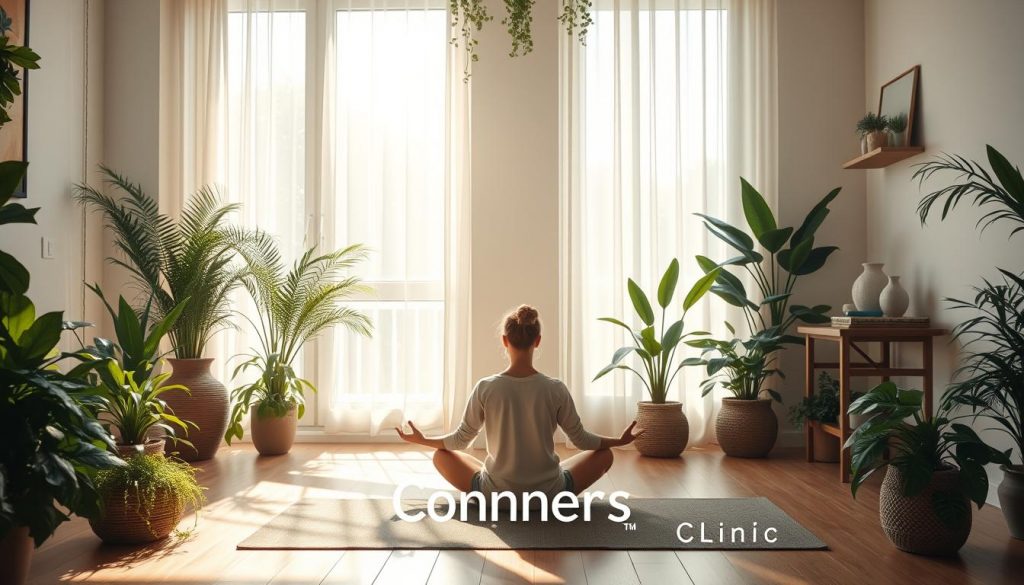
The Holistic Living Challenge program, offered twice a year for seven weeks, involves various aspects of wellness. These include physical, emotional, spiritual, nutritional, and relationship health10. Many participants, no matter where they are in their cancer journey, find the program highly engaging and satisfying. This shows how effective a comprehensive program can be when it combines multiple wellness aspects10.
Important elements of holistic cancer care are regular exercise, a healthy diet, and enough sleep10. Practices like meditation and mindfulness keep life energy in balance, similar to handling a “bank account” where positives should outnumber negatives. The growth of integrative oncology, mixing traditional medicine with proven complementary treatments, shows the high demand for such approaches in both major academic centers and local practices9.
Here is a comparative overview of popular holistic approaches:
| Holistic Approach | Benefits |
|---|---|
| Meditation | Improves mood, reduces anxiety and stress9 |
| Yoga | Enhances sleep, reduces fatigue, provides stress relief9 |
| Tai Chi | Alleviates stress through gentle movement and deep breathing9 |
| Diet and Nutrition | Maintains quality of life, supports overall wellness10 |
Therapies You Can Try
For cancer patients, trying out different therapies can really help. They can feel less pain, nausea, and worry. Acupuncture, aromatherapy, and massage therapy are some good choices.
Acupuncture is an ancient Chinese method that uses tiny needles to touch certain points on the body. It’s been found to lessen pain and other symptoms like tiredness and feeling sick in cancer patients12. Hospitals are starting to use it more because it makes life better for patients while they get treatment12.
Aromatherapy uses special oils to help calm and relax. Even though there’s not a lot of science to prove it works, many patients feel it helps with stress and mood during their cancer treatments.
Massage Therapy has been shown to cut down on pain and worry for those with breast cancer. This might mean they use fewer painkillers12. Studies also find that massage can make your immune system stronger by increasing white blood cells, especially in people with early cancer12. Plus, the kind touch itself can make a big difference emotionally.
| Therapy | Description | Benefits |
|---|---|---|
| Acupuncture | Inserting needles into specific points | Relieves pain, reduces fatigue, alleviates nausea |
| Aromatherapy | Uses essential oils to promote relaxation | Reduces anxiety, improves mood |
| Massage Therapy | Manipulation of soft tissues | Reduces pain, lowers anxiety, boosts immune function |
Benefits of Natural Cancer Therapies
Natural cancer therapies have many upsides. They help ease side effects, making cancer treatment easier to handle. For example, some therapies like acupuncture reduce sickness caused by chemotherapy and pain after surgery in the neck13.

These therapies also improve your quality of life. Half of cancer patients use complementary therapy13. They try everything from acupuncture to yoga, which helps them feel better. Studies show feeling good can help you stay healthy, making these therapies vital13.
Complementary therapies are popular worldwide. In Spain, 81% have tried them. In Canada and the USA, the numbers are 70% and 42%14. Telling your doctor about using these therapies is key, as 29% don’t15.
Staying active with things like yoga boosts energy for patients15. Adding natural therapies can improve life quality during treatment. They help manage side effects in a more complete way.
Knowing the benefits helps cancer patients choose their treatments wisely. Opting for natural therapies can make a real change in their recovery journey.
The Safety and Risks of Alternative Medicine for Cancer
The safety of alternative cancer treatments worries many patients and healthcare providers. A lot of doctors think it’s okay to use complementary therapies with regular cancer treatments16. But, we must be careful of the dangers that some alternative therapies, like dietary supplements and herbal products, might bring.
In 2019, there were nearly 70,000 calls to US poison control centers because of dietary supplements, herbal preparations, and homeopathic treatments. Over 7,000 people had to get medical help because of these calls17. This shows the real danger of using alternative medicine without proper knowledge or advice.
Vitamins and herbal products can mess up how well cancer treatments work. For example, antioxidants such as vitamins C and E might make chemotherapy less effective16. Also, Vitamin K can interfere with warfarin, a blood thinner, which could lead to harmful blood clots17.
Also, some herbs, like St. John’s Wort, can make many medicines, including ones for cancer, less effective17. That’s why it’s critical to talk to healthcare providers before starting any alternative treatments.
Choosing alternative therapies over standard cancer treatments can be risky. Studies show regular treatments work well against cancer. Delaying these for alternative options can decrease the chance of beating the disease18. It’s vital to mix alternative treatments into your cancer care plan carefully and under a professional’s watch.
It’s super important to talk to a cancer doctor, nurse, pharmacist, or GP before trying any complementary or alternative therapies16. This way, patients can use alternative treatments safely and avoid unnecessary risks.
Conners Clinic’s Approach to Alternative Cancer Treatment
Conners Clinic offers a unique way to fight cancer. We don’t just look at symptoms. We aim to find the root causes of cancer for each person. Our treatments include a Rife machine tailored to individual needs.
We know everyone is different. So, we set up personal plans that cover nutrition, genetic tests, and lab work. This helps us give targeted and effective care, focusing on all health aspects.
Conners Clinic is known as the top Natural Cancer Treatment Center in St. Paul19. Our reputation comes from our commitment to quality care and evidence-based alternative treatments.
Nutrition is key in our therapy plans. We craft diet plans that help strengthen the body’s defense against cancer. Plus, our detailed genetic and lab testing makes sure we can track progress and adjust as needed for the best results.
Our clinic uses advanced technology like the custom Rife machine20. We combine this with thorough protocols for a complete approach to cancer care.
Our dedication to new technology and personal care has led to a book, now in its third edition. It talks about safe treatments like Medicinal Mushrooms, Enzyme Therapy, and Gerson Therapy19. This book is a great resource for our patients.
At Conners Clinic, we blend personal care, cutting-edge tech, nutrition, and labs to shape the future of alternative cancer care. I believe strongly in our methods and am committed to improving them for better patient care.
Conclusion
After exploring holistic cancer care and integrative oncology, we see the importance of considering all treatment options. Combining alternative therapies with conventional cancer treatments brings many benefits. It creates treatments that care for both body and mind. However, ignoring traditional treatments has serious risks, as shown by data, especially when alternative therapies are chosen exclusively2122.
Research shows that patients choosing only alternative therapies often face worse outcomes. These patients are usually younger, healthier women with higher incomes and education21. Choosing against conventional medicine greatly increases the risk of dying within five years after being diagnosed. This is especially true for lung, breast, and colorectal cancers2122. These findings highlight the need for a well-informed and balanced treatment plan.
Merging conventional and alternative treatments through personalized plans leads to a comprehensive approach to cancer care. Patients should work with their doctors to develop these plans. This strategy maximizes treatment benefits while reducing risks. Thus, patients can navigate their treatment journey more safely and effectively.
FAQ
What are alternative cancer treatments?
Alternative cancer treatments are different ways to fight cancer that aren’t the usual medical methods. They include using nature’s remedies, ways to help your mind and body work together, and treatments that involve touching and moving your body. These treatments aim to make cancer patients feel better and improve their life quality.
How do alternative cancer treatments differ from complementary treatments?
Alternative treatments take the place of standard medical care. On the other hand, complementary treatments are used together with usual medical treatments. Both kinds are used to help manage symptoms and make patients feel better. But, complementary treatments are there to help the usual treatments work better, not to replace them.
Can you provide examples of mind-body therapies for cancer patients?
Examples of mind-body therapies are meditation, yoga, tai chi, and hypnosis. These therapies can lower stress, better mental health, and increase overall happiness for cancer patients. They work on the connection between your mind and body to help you relax and find emotional peace.
What are biologically based practices?
These practices use natural things like vitamins, herbs, and food supplements. For example, there are herbal treatments and special diets to help with cancer care. These methods can strengthen the immune system and make overall health better.
What are manipulative and body-based practices, and how do they help cancer patients?
These practices include treatments like chiropractic care, massage therapy, and acupuncture. They can lessen pain, bring stress down, and make moving around easier. Doing this can make life better for those fighting cancer.
What is integrative oncology?
Integrative oncology uses both regular cancer treatments and alternative methods for a complete approach to cancer care. It aims to lessen side effects, better patient results, and improve well-being. It takes care of the physical, emotional, and spiritual parts of health.
How can meditation and mindfulness benefit cancer patients?
Meditation and mindfulness can help lower worry, better your mood, and help with handling the stress of dealing with cancer. These methods can also help you sleep better and improve your mental health overall.
What role does diet and nutrition play in holistic cancer care?
Eating right is very important in taking care of cancer holistically. Eating lots of fruits, vegetables, and whole grains helps your immune system, gives you more energy, and helps with side effects from treatment. Getting advice on nutrition is usually part of a full plan for cancer care.
What are some practical therapies for symptom relief from cancer treatments?
Some helpful therapies for easing symptoms of cancer treatment are acupuncture, aromatherapy, and massage therapy. These can reduce pain, nausea, and stress. They are gentle ways to make patients more comfortable and improve their well-being.
What are the benefits of natural cancer therapies?
Natural cancer therapies focus on managing side effects, making life better, and supporting emotional health. They include safe practices that help the body heal itself and boost overall health.
Source Links
- 11 alternative cancer treatments to consider – https://www.mayoclinic.org/tests-procedures/cancer-treatment/in-depth/cancer-treatment/art-20047246
- What Is Alternative Medicine? | Alternative Cancer Treatments – https://www.cancer.org/cancer/managing-cancer/treatment-types/alternative-medicine/what-is-alternative-medicine.html
- Cancer Mythbusters: Alternative Therapies and Integrative Therapies – https://www.dana-farber.org/health-library/cancer-mythbusters-alternative-therapies-integrative-therapies
- Alternative cancer treatments – https://en.wikipedia.org/wiki/Alternative_cancer_treatments
- Cancer Treatment May Include Alternatives to Chemotherapy – https://www.cancercenter.com/community/blog/2023/08/alternatives-to-chemotherapy-cancer-treatment
- Integrative Oncology – Overview – https://www.mayoclinic.org/departments-centers/integrative-oncology/overview/ovc-20542190
- All About Integrative Oncology | OncoLink – https://www.oncolink.org/support/practical-and-emotional/integrative-therapies-spirituality/all-about-integrative-oncology
- Putting Integrative Oncology Into Practice: Concepts and Approaches – https://pmc.ncbi.nlm.nih.gov/articles/PMC6333385/
- Integrative oncology: Lifestyle medicine for people with cancer – Mayo Clinic Comprehensive Cancer Center Blog – https://cancerblog.mayoclinic.org/2022/03/15/integrative-oncology-lifestyle-medicine-for-people-with-cancer/
- A Whol(istic) New Approach to Cancer Treatment – https://www.pennmedicine.org/news/news-blog/2018/august/a-wholistic-new-approach-to-cancer-treatment
- The Truth Behind Four Natural Cancer “Cures” – https://www.mskcc.org/news/truth-behind-three-natural-cures
- Alternative Treatments for Breast Cancer: What Works? – https://www.healthline.com/health/breast-cancer/alternative-treatments-for-breast-cancer
- Why people use complementary or alternative therapies – https://www.cancerresearchuk.org/about-cancer/treatment/complementary-alternative-therapies/about/why-used
- Effectiveness of Complementary Therapies in Cancer Patients: A Systematic Review – https://pmc.ncbi.nlm.nih.gov/articles/PMC7908482/
- One-third of cancer patients use complementary and alternative medicine – https://www.utsouthwestern.edu/newsroom/articles/year-2019/alternative-medicine.html
- The safety of complementary and alternative therapies – https://www.cancerresearchuk.org/about-cancer/treatment/complementary-alternative-therapies/about/safety
- Dietary Supplements Safety | Supplement Risks & Side Effects – https://www.cancer.org/cancer/managing-cancer/treatment-types/complementary-and-integrative-medicine/dietary-supplements/safety.html
- What are complementary therapies? – https://cancer.ca/en/treatments/complementary-therapies/what-are-complementary-therapies
- Stop Fighting Cancer and Start Treating the Cause : Conners, Kevin: Amazon.com.be: Books – https://www.amazon.com.be/-/en/Kevin-Conners/dp/B08HH1JSDC
- Advertising Alternative Cancer Treatments and Approaches on Meta Social Media Platforms: Content Analysis – https://infodemiology.jmir.org/2023/1/e43548
- Alternative cancer therapies: the potential impact on survival – https://news.cancerresearchuk.org/2017/11/01/alternative-cancer-therapies-the-potential-impact-on-survival/
- Using alternative medicine only for cancer linked to lower survival rate – https://medicine.yale.edu/news-article/using-alternative-medicine-only-for-cancer-linked-to-lower-survival-rate/