
Is there another way to fight cancer beside traditional methods? Can we find treatments that help the body heal itself with fewer bad side effects?
In recent years, many have begun to look for cancer treatments that are kinder to the body. These non-toxic treatments include holistic care and alternative methods. They avoid the harsh effects of chemotherapy and radiation, focusing instead on natural ways to help the body and make patients feel better.
These gentle methods are becoming more popular because they aim to lessen side effects and work alongside standard treatments. Research shows a lot of people with cancer try out these alternatives. This highlights the big role of complementary and alternative medicine (CAM) in today’s healthcare1. The main aim of these non-toxic treatments is to strengthen the body’s fight against cancer and boost health and energy.
Key Takeaways
- Non-toxic cancer treatments offer an alternative to traditional chemotherapy and radiation.
- These methods focus on reducing side effects and improving patient quality of life.
- Many individuals with cancer are inclined toward complementary and alternative medicine (CAM)1.
- Non-toxic options often integrate natural, less invasive methods into cancer care plans.
- The goal is to support the body’s natural healing processes while fighting cancer.
Understanding Non-Toxic Cancer Treatments
Non-toxic cancer treatments focus on improving the body’s defense against cancer with minimal side effects. These include acupuncture, massage, herbs, and dietary changes. They all help the body in its battle against cancer.
What are Non-Toxic Cancer Treatments?
Natural cancer therapies tap into the body’s natural ability to heal to fight cancer. They are often combined with conventional treatments to get the best outcomes. For example, acupuncture can lessen pain and nausea from chemotherapy, and herbal medicines boost immunity and energy2.
Benefits of Choosing Non-Toxic Cancer Treatments
Toxin-free cancer treatments have many benefits. They can significantly lower the typical side effects of standard cancer treatments. These therapies also boost mental health, reducing stress and improving life quality. Adding natural cancer therapies to a treatment plan has shown improved management of symptoms like fatigue and pain2.
Understanding the options in integrative cancer therapies is crucial. Diet changes, for instance, are key; they help the body heal and can boost the effect of other treatments3. Natural treatments like herbal supplements and gentle therapies make cancer care more holistic and centered on the patient.
The Role of Integrative Cancer Therapies
Integrative cancer therapies improve patient outcomes and quality of life. They mix traditional and alternative treatments for a complete care approach. This helps in better symptom management during cancer treatment4.
One major good point is focusing on the whole patient, not just the illness. The shift towards healthier lifestyles and diets supports treatment goals4. Things like acupuncture and naturopathy are used to lessen side effects and boost life quality4.
In the U.S., people spend $36 to $47 billion yearly on these methods5. About 61% of those who have beat cancer use them, showing their importance in care5. Even with mixed evidence, practices like massage and meditation help with symptoms and stress5.
But, it’s key that patients tell their doctors about using these methods to avoid bad drug reactions5. More oncologists are now seeing their worth in offering full care that also helps overall wellbeing4.
Insurance companies are starting to see complementary therapies as beneficial and cost-effective6. Spending on these methods might be counted as a medical expense, useful for healthcare plans6. These therapies aid in managing pain, tiredness, and worry during cancer treatment5.
Early studies show acupuncture could decrease pain and help with nerve functions in chemotherapy patients6. While not all therapies are proven, research backs up the usefulness of integrated approaches in side effect management and life quality improvement4.
Acupuncture: A Safe Complementary Therapy
Acupuncture plays a vital role in non-toxic cancer treatments. It uses thin needles at certain body points. This helps ease cancer symptoms and treatment side effects.
What is Acupuncture?
Acupuncture comes from traditional Chinese medicine. It’s designed to fix the body’s energy, or qi, for better health. About half of cancer patients use complementary therapy, including acupuncture, during their treatment7. In the U.S., acupuncture use among cancer patients is between 1.7% and 31%8.
Benefits of Acupuncture for Cancer Patients
Research shows acupuncture helps cancer patients with side effects of standard treatments. For example, it reduces nausea and vomiting from chemotherapy8. It also eases post-surgery pain, like after lymph node removal in the neck, helping patients feel better7. Oncology-related articles on acupuncture have increased 3.5 times between 1987 and 2007. This shows it’s gaining acceptance8.
Safety Considerations
Acupuncture is safe when done by a certified practitioner, with very few side effects. Research shows less than one bad event happens for every 10,000 treatments9. Still, patients with low blood counts or on blood thinners need to be careful. In cases like low platelets, acupuncture is safe unless counts are under 50,0009. A review highlights acupuncture’s value and safety in cancer care7.
The use of acupuncture is growing. It’s important that it’s done correctly. This ensures cancer patients get the most benefit, making it a key part of safe cancer therapy.
Plant-Based Cancer Remedies
There’s a big shift towards using plant-based cancer remedies in treatment. These natural methods are being combined with regular treatments. The goal is to lower side effects and improve how patients feel overall.
Notable Plant-Based Cancer Treatments
Paclitaxel, from the Pacific yew tree, stands out among plant-based cancer remedies. It’s used in chemotherapy and fights various cancers with fewer side effects. Curcumin from turmeric is safe even at high doses of up to 12 g/day10. Also, apigenin, found in many fruits and veggies, kills breast and colon cancer cells just like doxorubicin10.
Scientific Evidence Supporting Plant-Based Treatments
Studies show natural cancer therapies are promising. Curcumin, for example, affects genes that help stop tumor growth10. Around 50-60% of cancer patients in the U.S. try plant-based treatments along with standard care10. Research on saffron’s extracts shows they might work against various cancers, suggesting they could lead to new anti-cancer drugs10. This research underlines the critical need to explore organic cancer treatments further.
| Plant Compound | Cancer Target | Mode of Action |
|---|---|---|
| Paclitaxel | Various Cancers | Chemotherapy agent |
| Curcumin | Prostate Cancer | Regulates cell growth pathways |
| Apigenin | Breast and Colon Cancer | Exhibits cytotoxic activities |
| Saffron | Hepatocellular Carcinoma | Potential anti-cancer agent |
The Importance of Nutrition in Holistic Cancer Care
Nutrition plays a key role in fighting cancer. Eating the right foods can improve your chances against cancer. Studies say that 30-40% of cancers can be stopped by living healthy and eating well11.
Key Nutrients for Cancer Prevention
Eating certain foods can help your body fight cancer. Fruits, veggies, and grains can lower cancer risks12. Important nutrients include:
- Antioxidants: Found in berries, nuts, and leafy greens, antioxidants neutralize free radicals and reduce oxidative stress.
- Fiber: Foods high in fiber like whole grains and legumes promote digestive health and may lower the risk of colorectal cancer.
- Omega-3 Fatty Acids: Sourced from fatty fish and flaxseed, these fats have anti-inflammatory properties that can be beneficial in reducing cancer risk.
- Vitamins and Minerals: Essential nutrients such as vitamin D, selenium, and folate support immune function and cellular repair.
Dietary Approaches to Support Cancer Treatment
Eating whole foods and avoiding processed ones is crucial. Being overweight increases the risk of dying from cancer by 14% in men and 20% in women in the U.S11..
Bad eating and not exercising cause 400,000 deaths a year in the U.S12.. A cancer-fighting diet includes:
- Calorie Restriction: Cutting calories by 20-30% can lower cancer risk, studies show12.
- Energy-Dense Foods: Eating less high-calorie, low-nutrient food helps avoid weight gain and keeps you healthy during treatment.
- Red Meat and Alcohol: Eating less red meat and drinking less alcohol lowers cancer risks. A diet high in these is linked to more cancers11.
These diet changes can help with symptom management, recovery, and may improve survival rates during cancer treatment.
Non-Toxic Therapies for Managing Cancer Symptoms
Managing symptoms with non-toxic methods improves life quality during cancer treatment. Holistic approaches like aromatherapy, music therapy, and massage are becoming popular. They treat side effects in a kind way.

Aromatherapy
Aromatherapy uses essential oils to boost well-being. It’s known for helping lower stress and nausea. Yet, checking with a healthcare provider before beginning is crucial. Some oils might not mix well with regular treatments.
Music Therapy
Music therapy offers great hope in managing symptoms safely. It reduces pain and enhances moods through activities like listening, singing, or instrument playing. This therapy suits cancer patients facing tough side effects.
Massage Therapy
Massage therapy is a key part of gentle cancer care. It can ease pain, lessen anxiety, and promote relaxation.
It’s important to have a massage from someone trained in cancer care13. This ensures safety and the best outcomes for patients.
Natural symptom management methods like aromatherapy, music therapy, and massage offer soft, supplemental options. They aid traditional treatments, bettering the lives of those fighting cancer.
Exercise and Relaxation Techniques for Cancer Patients
Adding exercise in cancer care and different relaxation methods can greatly boost the wellness of people getting cancer treatment. Walking or light aerobics, which are mild exercises, fight against tiredness that affects 80-100% of those with cancer, and they boost stamina14. Exercise also reduces stress linked to cancer and betters heart health15.
Benefits of Regular Exercise
Exercise has many perks for those fighting cancer. Around 40% to 84% of these patients turn to extra therapies like exercise to handle symptoms and lift their quality of life15. It lowers the chance of heart problems from treatments like HER2-inhibitors, which up to 27% receive14.
Staying active helps keep bones strong. This is essential because cancer treatments can cause bones to weaken faster14. Overall, exercise in cancer care is key to treating the whole person, offering both physical and mental health improvements.
Relaxation Techniques to Reduce Stress
Relaxation is crucial for cancer patients since long-term stress can worsen cancer symptoms. Meditation and yoga are proven to cut stress and anxiety, leading to improved mental wellness for patients16. Relaxation methods like aromatherapy can ease discomfort, better sleep, and lessen fatigue and pain among those treated for cancer and survivors16.
Mindfulness practices, including cognitive therapy, are effective against anxiety and depression. They boost the quality of life for those in treatment16.
In summary, including non-toxic cancer support through exercise and relaxation methods in cancer care makes a big difference. It tackles both physical symptoms and mental stress well. These approaches improve the well-being of cancer patients during and after their treatment.
Exploring Natural Products for Cancer Treatment
For over 40 years, natural products have been key in cancer treatment. They show how critical nature is in fighting cancer. About 500,000 to 600,000 of the world’s natural products come from plants. This highlights the possible breakthroughs we can find in nature17. More than 60% of cancer drugs approved since 1940 are based on these natural sources. This shows how much organic treatments contribute to battling cancer17.
The Role of Natural Products in Drug Discovery
As we search for better cancer treatments, natural products have become a major focus. The interest has grown because they’re less harmful and more effective. By early 2008, 225 drugs derived from natural sources were being tested, with 86 aimed at cancer17. Also, by 2000, 57% of all cancer drugs in trials were based on natural products. This underlines their crucial role in discovering new medicines from nature17.
Examples of Natural Compounds with Cancer-Fighting Properties
Some natural compounds have shown strong potential against cancer. For instance, extracts from sea squirts may help stop cancer cells. This underlines the importance of further studies into these remedies. In 2020, there were 19.3 million new cancer cases. By 2040, this number could rise to 28.4 million18. Also, in 2002, the market for terpenes in medicine was valued at around $12 billion. This shows their significant economic impact17.
| Natural Compound | Source | Action |
|---|---|---|
| Apigenin | Parsley, celery, chamomile tea | Potential radioprotective effects |
| Genistein | Soy products | Potential radioprotective effects |
| EGCG | Green tea | Antioxidant and anti-inflammatory |
| Quercetin | Various plants | Anti-inflammatory and promotes DNA repair |
| Resveratrol | Grapes and berries | Anti-inflammatory and antioxidant |
| Curcumin | Turmeric | Anti-inflammatory and potential anti-cancer properties |
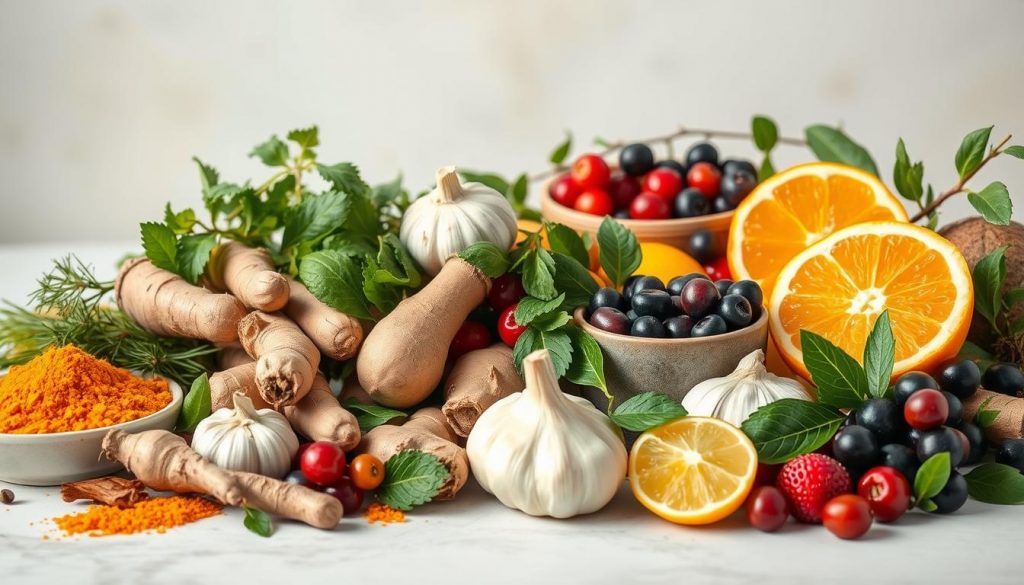
These compounds show the great potential of nature in creating better, safer cancer treatments. With ongoing research, the value of natural products in cancer care is becoming more clear. This opens up new paths to treatments that are both effective and naturally derived.
Cognitive Behavioral Therapy for Emotional Support
Cognitive behavioral therapy (CBT) is key in helping cancer patients emotionally and psychologically. It teaches patients to cope better with their disease. Thus, they get safe mental health care.
Studies show that between 2% and 14% of cancer patients experience anxiety disorders at some point. Up to 40% have significant anxiety symptoms. This anxiety is tied to symptoms like breathlessness, tiredness, and pain. This shows how critical good emotional support, such as CBT, is19.
One study looked at CBT’s effects on stage III-IVA nasopharyngeal carcinoma patients. The CBT group, with 136 patients, had six therapy sessions during treatment. Their complete response rate was much higher than those not receiving CBT. After therapy, they also felt less depressed and anxious. This proves CBT’s deep emotional benefits for cancer patients20.
CBT is especially beneficial for older cancer patients, who are most likely to get diagnosed with cancer. It helps with their emotional challenges, like the fear of dying, feeling out of control, or losing independence. Studies show CBT lessens insomnia, anxiety, depression, and boosts life quality for the elderly. CBT works well for all ages21.
Conclusion
In conclusion, moving towards safe and whole-patient cancer care is hugely important today. These treatments focus on improving patients’ health while reducing harsh side effects. For instance, non-toxic therapies like low-dose chemotherapy specifically target cancer cells. They are known to be less harmful, helping patients enjoy a better life while undergoing treatment22.
Many cancer patients trust herbal medicine, reflecting a significant shift towards holistic treatment. In the U.S., over 65% of cancer patients use herbal remedies23. This is because herbs like turmeric and ginger have healing properties. They reduce inflammation and have antioxidants that help in healing22.
Good nutrition is also key in fighting cancer holistically. Eating whole, organic foods and avoiding processed ones helps lower cancer risks. It also supports the body’s recovery22. Every day, 52,900 people are diagnosed with cancer. By 2040, we might see 28 million new cases annually. It’s vital to look into patient-focused treatments to improve outcomes24.
Adopting safe cancer therapies along with holistic methods can bring progress. This way, we don’t just help patients physically. We also improve their healing journey and quality of life as they fight cancer.
FAQ
What are non-toxic cancer treatments?
Non-toxic cancer treatments focus on healing without traditional chemotherapy or radiation. They aim to lessen side effects and improve life quality. Methods include acupuncture, massage, herbal medicine, and diet changes.
What are the benefits of choosing non-toxic cancer treatments?
These treatments can decrease nausea, fatigue, and pain from cancer and its treatments. They boost mental health, lower stress, and improve overall health by supporting the body’s fight against cancer.
What are integrative cancer therapies?
Integrative cancer therapies mix conventional and alternative treatments to better health and life quality. These include natural therapies, toxin-free methods, and holistic care to fully support cancer patients.
What is acupuncture?
Acupuncture is a complementary therapy where needles are placed at certain body points to ease pain and symptoms. For cancer patients, it helps with chemotherapy nausea and some pains. It must be done by a licensed professional.
What are the benefits of acupuncture for cancer patients?
Acupuncture significantly lowers nausea and pain from chemotherapy, enhancing cancer patients’ life quality. It also aids in relaxation and stress management.
What are some notable plant-based cancer treatments?
Important plant-based treatments include Paclitaxel from the Pacific yew tree. Ongoing research is looking into plant compounds for their cancer-fighting potential, showing the value of plant remedies in non-toxic treatments.
What key nutrients are important for cancer prevention?
Important nutrients for preventing cancer are in fruits, vegetables, and whole grains. They boost health and help manage symptoms and recovery in cancer treatments. Eating less processed food is also advised for cancer patients.
How can aromatherapy help in managing cancer symptoms?
Aromatherapy reduces stress and nausea in cancer treatment. Using essential oils promotes relaxation and well-being, leading to a better life quality during treatment.
Why is music therapy beneficial for cancer patients?
Music therapy helps cancer patients by easing pain, lifting mood, and promoting relaxation. It’s a soft, non-toxic way to better manage symptoms and enhance treatment experience.
How can regular exercise benefit cancer patients?
Light exercise can lessen symptoms like fatigue and stress from cancer and treatments. It boosts physical and mental health, energy levels, and overall well-being.
What role do natural products play in cancer drug discovery?
Natural products are key in finding new cancer drugs. Natural compounds, like those from sea squirts, can stop cancer cells. Research continues to search nature for effective and safer treatments.
How does Cognitive Behavioral Therapy (CBT) support cancer patients emotionally?
CBT offers emotional and psychological support for cancer patients. It helps them handle cognitive and emotional issues better. CBT improves coping with anxiety, depression, and stress from cancer and its treatments.
Source Links
- 11 alternative cancer treatments to consider – https://www.mayoclinic.org/tests-procedures/cancer-treatment/in-depth/cancer-treatment/art-20047246
- Alternative Medicine for Cancer Treatment Raises Mortality Risk – https://www.cancer.gov/news-events/cancer-currents-blog/2017/alternative-medicine-cancer-survival
- Natural Products for Cancer Therapy: A Review of Their Mechanism of Actions and Toxicity in the Past Decade – https://pmc.ncbi.nlm.nih.gov/articles/PMC8933079/
- Reduce Side Effects: Integrative Cancer Therapies – https://www.cancercenter.com/community/blog/2017/11/using-integrative-therapies-to-help-manage-side-effects-of-cancer-treatment
- Integrative Medicine and Cancer Care – https://journalofethics.ama-assn.org/article/integrative-medicine-and-cancer-care/2011-06
- Herbs, Botanicals & Other Products: FAQs – https://www.mskcc.org/cancer-care/diagnosis-treatment/symptom-management/integrative-medicine/herbs/herbs-botanicals-other-products-faqs
- Why people use complementary or alternative therapies – https://www.cancerresearchuk.org/about-cancer/treatment/complementary-alternative-therapies/about/why-used
- The Value of Acupuncture in Cancer Care – https://pmc.ncbi.nlm.nih.gov/articles/PMC2642987/
- Is there a role for complementary therapy in the management of leukemia? – https://pmc.ncbi.nlm.nih.gov/articles/PMC2792198/
- Plants Against Cancer: A Review on Natural Phytochemicals in Preventing and Treating Cancers and Their Druggability – https://pmc.ncbi.nlm.nih.gov/articles/PMC4017674/
- The Role of Diet in Cancer Prevention and Chemotherapy Efficacy – https://pmc.ncbi.nlm.nih.gov/articles/PMC8546934/
- Nutrition and cancer: A review of the evidence for an anti-cancer diet – https://pmc.ncbi.nlm.nih.gov/articles/PMC526387/
- 5 Cancer Treatments That Aren’t Chemotherapy – https://www.rush.edu/news/5-cancer-treatments-arent-chemotherapy
- Exercise for Toxicity Management in Cancer—A Narrative Review – https://pmc.ncbi.nlm.nih.gov/articles/PMC5922767/
- Integrative Approaches to the Treatment of Cancer – https://pmc.ncbi.nlm.nih.gov/articles/PMC9740147/
- Types of complementary therapies – https://breastcancernow.org/about-breast-cancer/life-after-treatment/complementary-therapies/types-of-complementary-therapies/
- Natural products for cancer chemotherapy – https://pmc.ncbi.nlm.nih.gov/articles/PMC3815406/
- Exploring Natural Products as Radioprotective Agents for Cancer Therapy: Mechanisms, Challenges, and Opportunities – https://www.mdpi.com/2072-6694/15/14/3585
- Tailoring Cognitive-Behavioral Therapy to Treat Anxiety Comorbid with Advanced Cancer – https://pmc.ncbi.nlm.nih.gov/articles/PMC3018827/
- Effects of Cognitive Behavioral Therapy for Depression and Anxiety, Response Rates and Adverse Events in Patients with Locoregional Advanced Nasopharyngeal Carcinoma – https://pmc.ncbi.nlm.nih.gov/articles/PMC8020041/
- Treating Mental Health and Quality of Life in Older Cancer Patients with Cognitive Behavioral Therapy: A Systematic Review and Meta-Analysis – https://www.mdpi.com/1660-4601/21/7/881
- Benefits of Non-Toxic Cancer Treatments: A Safer Approach to Healing – https://cancercenterforhealing.com/benefits-of-non-toxic-cancer-treatments/
- Evaluation of Effectiveness of Herbal Medication in Cancer Care: A Review Study – https://pmc.ncbi.nlm.nih.gov/articles/PMC4294537/
- Exploring treatment options in cancer: tumor treatment strategies – Signal Transduction and Targeted Therapy – https://www.nature.com/articles/s41392-024-01856-7